Flood Safety
Preparing for a Flood

If your area is about to have a flood:
- Create a plan of where to go during a flood
- Create an emergency kit with:
- Water
- Food
- Cash
- First Aid Supplies
- Clothing
- Flashlights
- Important Documents (insurance, medical records, bank account numbers)
- Move valuables, furniture, and appliances to higher levels
- Move hazards (oil, cleaning supplies, pesticides) to higher locations
- Plug drains and toilet connections
- Shut off gas and electricity
- Seal basement vents, windows, and doors
- Use sandbags or barriers to protect your home
- Evacuate your home if advised by authorities
During a Flood
If you are stranded in a flooded area:
- Get to higher ground
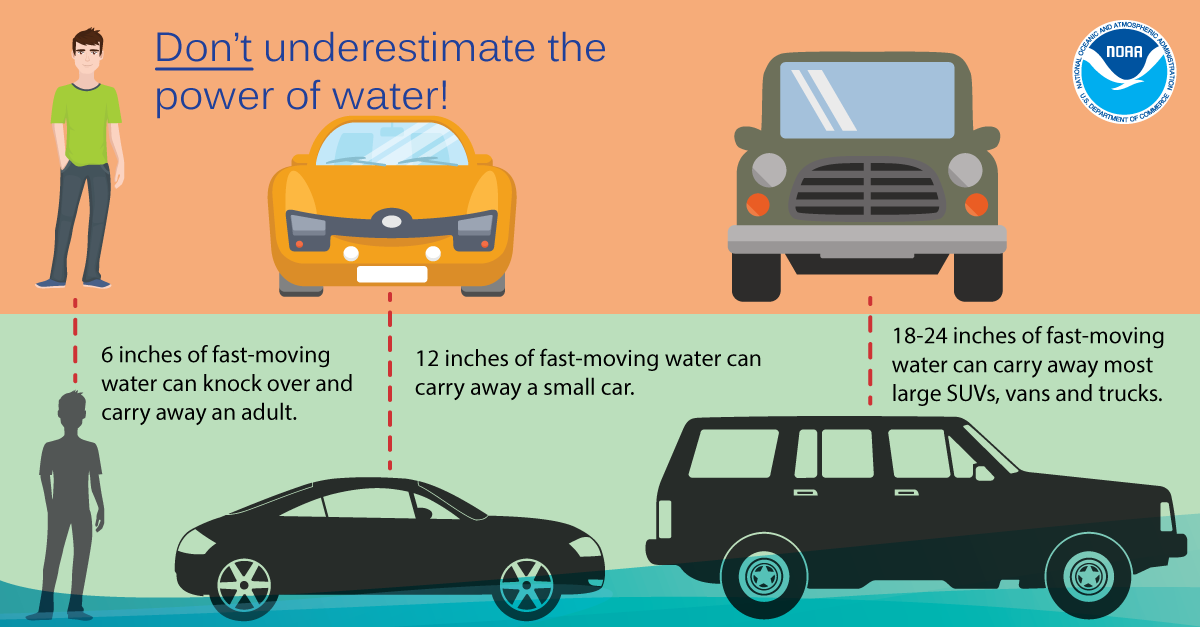
- Do not cross flowing water
- Do not drive on flooded roads
- Avoid washed out roads, downed trees and power lines, and potential earth slides
- Abandon your vechicle if it stalls
- Avoid entering a flooded area if you can, espically if you have open cuts/wounds because
- Flood waters contain oil, sewage, chemicals, and other pollution
- You can be swept away by the current
- Use a floatation device if you can
After a Flood
After the flood is over:
- Do not return to homes in flooded areas unless advised by autorities
- Do not enter a house if the electricity was not turned off before or an electrician has checked it out
- Do not use any electrical, heating, pressure, or sewage systems
- Clean dangerous debris like broken glass
- Check for any structural damage to walls, ceilings, or floors
- Throw away any food, water, or medicine that has had contact with flood waters
- Disinfect anything that has gotten wet
Sources
Information:
Images: