To quit smoking you must first understand what happens to your body after you smoke.
Immediate effects
- initial stimulation, then reduction in activity of brain and nervous system
- increased alertness and concentration
- feelings of mild euphoria
- feelings of relaxation
- increased blood pressure and heart rate
- decreased blood flow to fingers and toes
- decreased skin temperature
- bad breath
- decreased appetite
- dizziness
- nausea, abdominal cramps and vomiting
- headache
- coughing, due to smoke irritation

Long-term effects
- increased risk of stroke and brain damage
- eye cataracts, macular degeneration, yellowing of whites of eyes
- loss of sense of smell and taste
- yellow teeth, tooth decay and bad breath
- cancer of the nose, lip, tongue and mouth
- possible hearing loss
- laryngeal and pharyngeal cancers
- contributes to osteoporosis
- shortness of breath
- coughing
- chronic bronchitis
- triggering asthma
- emphysema
- heart disease
- blockages in blood supply that can lead to a heart attack
- high blood pressure (hypertension)
- myeloid leukemia, a cancer that affects bone marrow and organs that make blood
- stomach and bladder cancers
- stomach ulcers
- decreased appetite
- grey appearance
- early wrinkles
- slower healing wounds
- damage to blood vessel walls
- increased likelihood of back pain
- lower fertility and increased risk of miscarriage
- irregular periods
- early menopause
- damaged sperm and reduced sperm
- impotence

Here are three different ways that can help one quit smoking.
Cold Turkey
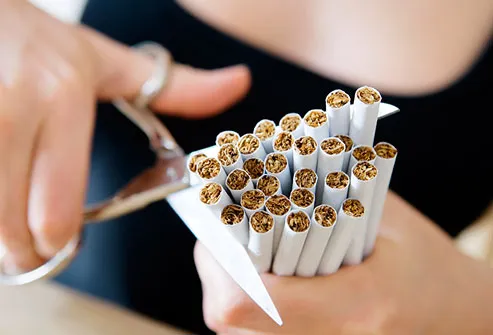
It may be surprising, that a large number of people successfully quit smoking using the cold turkey method. They decided that they were never going to smoke a cigarette and followed through on that promise.
Now it may seem odd that more people can quit this way than any other, especially since most experts advise that one never try to quit cold turkey. However statistics coming straight from the American Cancer Society, show that more than 80% of those who have successfully quit smoking did so by the cold turkey method. One can’t just decide to stop smoking and have no plan beyond that and expect to be moderately successful. This method involves lots of willpower, constant reminders why the individual was quitting in the first place and a supportive family.
Watch this video on how to quit Cold TurkeyNicotine Therapy

Many people chose to quit smoking using some form of nicotine therapy. This could involve applying a nicotine patch, using nicotine lozenges, or any other form of nicotine therapy.
What this does is, reduce the amount of nicotine going into the body. Gradually, decreasing the amounts of nicotine one is taking each day and finally getting rid of the nicotine and nicotine replacement. One will still feel the effects of nicotine on their body, but won’t be suffering from all the negative effects of smoking a cigarette.
Trigger Avoidance
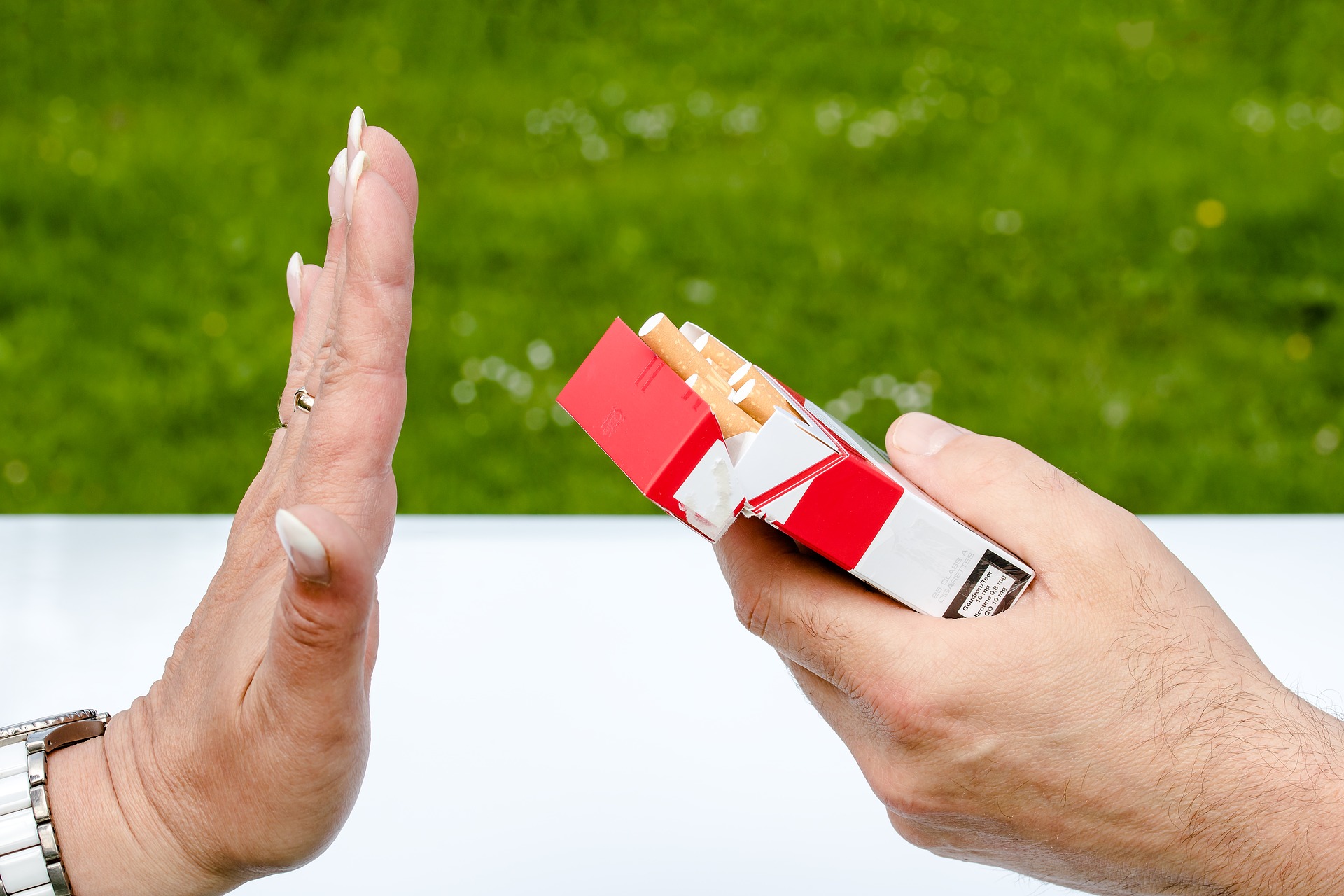
For most who smoke, there are certain triggers that cause one to crave cigarettes more in certain circumstances. For some people, that trigger is a stressful situation. For others, they may simply have a set time and place where they smoke, for instance when they are on a lunch break from work or when they are conversing on the phone.
While one is in the process of quitting, these triggers will become more powerful at creating cravings. If an individual wants to stop giving in to the cravings, they must ensure that the triggers never happen in the first place. That means actively avoiding situations that make one feel like they need a cigarette.
Here are a couple of interesting videos about smoking.
What Happens When You Stop Smoking?
The beginning and end of nicotine addiction
Here are some of the web sites I used to create this one.
Source of information Mayo Clinic