Drug Abuse
27 August 2019
Affects of Drug Abuse on Community

Drug abuse is a serious public health problem that affects almost every community and family in some way. Each year drug abuse causes millions of serious illnesses or injuries among Americans. Drug abuse also plays a role in many major social problems, such as drugged driving, violence, stress, and child abuse. Drug abuse can lead to homelessness, crime, and missed work or problems with keeping a job. It harms unborn babies and destroys families.
Addiction to Drugs

The initial decision to take drugs is voluntary for most people, but repeated drug use can lead to brain changes that challenge an addicted person’s self-control and interfere with their ability to resist intense urges to take drugs. These brain changes can be persistent, which is why drug addiction is considered a "relapsing" disease—people in recovery from drug use disorders are at increased risk for returning to drug use even after years of not taking the drug. Most drugs affect the brain's "reward circuit," causing euphoria as well as flooding it with the chemical messenger dopamine. Surges of dopamine in the reward circuit cause the reinforcement of pleasurable but unhealthy behaviors like taking drugs, leading people to repeat the behavior again and again. As a person continues to use drugs, the brain adapts by reducing the ability of cells in the reward circuit to respond to it. This reduces the high that the person feels compared to the high they felt when first taking the drug—an effect known as tolerance. They might take more of the drug to try and achieve the same high. These brain adaptations often lead to the person becoming less and less able to derive pleasure from other things they once enjoyed, like food, sex, or social activities. A combination of genetic, environmental, and developmental factors influences risk for addiction. The more risk factors a person has, the greater the chance that taking drugs can lead to addiction.
Side Affects on The Body
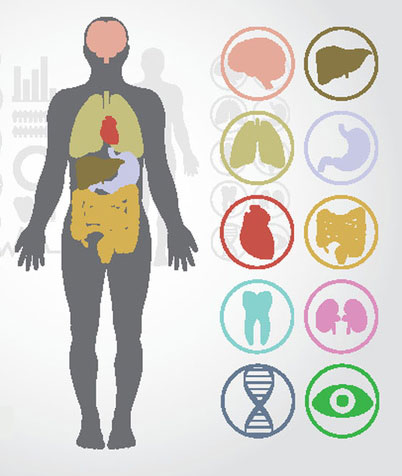
Psychologically, intoxication with or withdrawal from a substance can cause everything from euphoria as with alcohol, Ecstasy, or inhalant intoxication, to paranoia with marijuana or steroid intoxication, to severe depression or suicidal thoughts with cocaine or amphetamine withdrawal. In terms of effects on the body, intoxication with a drug can cause physical effects that range from marked sleepiness and slowed breathing as with intoxication with heroin or sedative hypnotic drugs, to the rapid heart rate of cocaine intoxication, or the tremors to seizures of alcohol withdrawal.
Cure of Addiction on Drugs
Addiction is treatable and can be successfully managed. People who are recovering from an addiction will be at risk for relapse for years and possibly for their whole lives. Research shows that combining addiction treatment medicines with behavioral therapy ensures the best chance of success for most patients. Treatment approaches tailored to each patient’s drug use patterns and any co-occurring medical, mental, and social problems can lead to continued recovery. Education and outreach are key in helping people understand the possible risks of drug use. Teachers, parents, and health care providers have crucial roles in educating young people and preventing drug use and addiction.
Facts on the Statistics of Drug Abuse


