What is it?
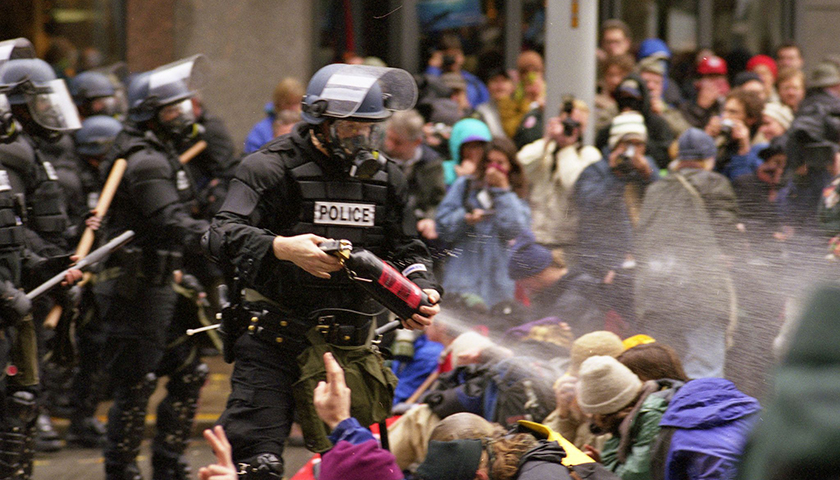
Police brutality is the use of excessive and/or unnecessary force by police when dealing with civilians. The most obvious form of police brutality is a physical form. Police officers can use nerve gas, batons, pepper spray, and guns in order to physically intimidate or even intentionally hurt civilians. Police brutality can also take the form of false arrests, verbal abuse, psychological intimidation, sexual abuse, police corruption, racial profiling, political repression, and the improper use of tasers. The most common form of police misconduct in 2010 was excessive force. 52% of police officers report that it is not unusual for law enforcement officials to turn a blind eye to the improper conduct of other officers. On average, in the United States, a police officer takes the life of a citizen every 7 hours. Police use of force – particularly lethal force – is one of the most divisive issues of the twenty-first century. When an offi- cer discharges a weapon, it’s a life changing event. A single bullet – which weighs about .02 pounds and is 10mm long – can end a life, erase a pension, or change the image of those who are sworn to serve and protect.
Who Is Responsible?
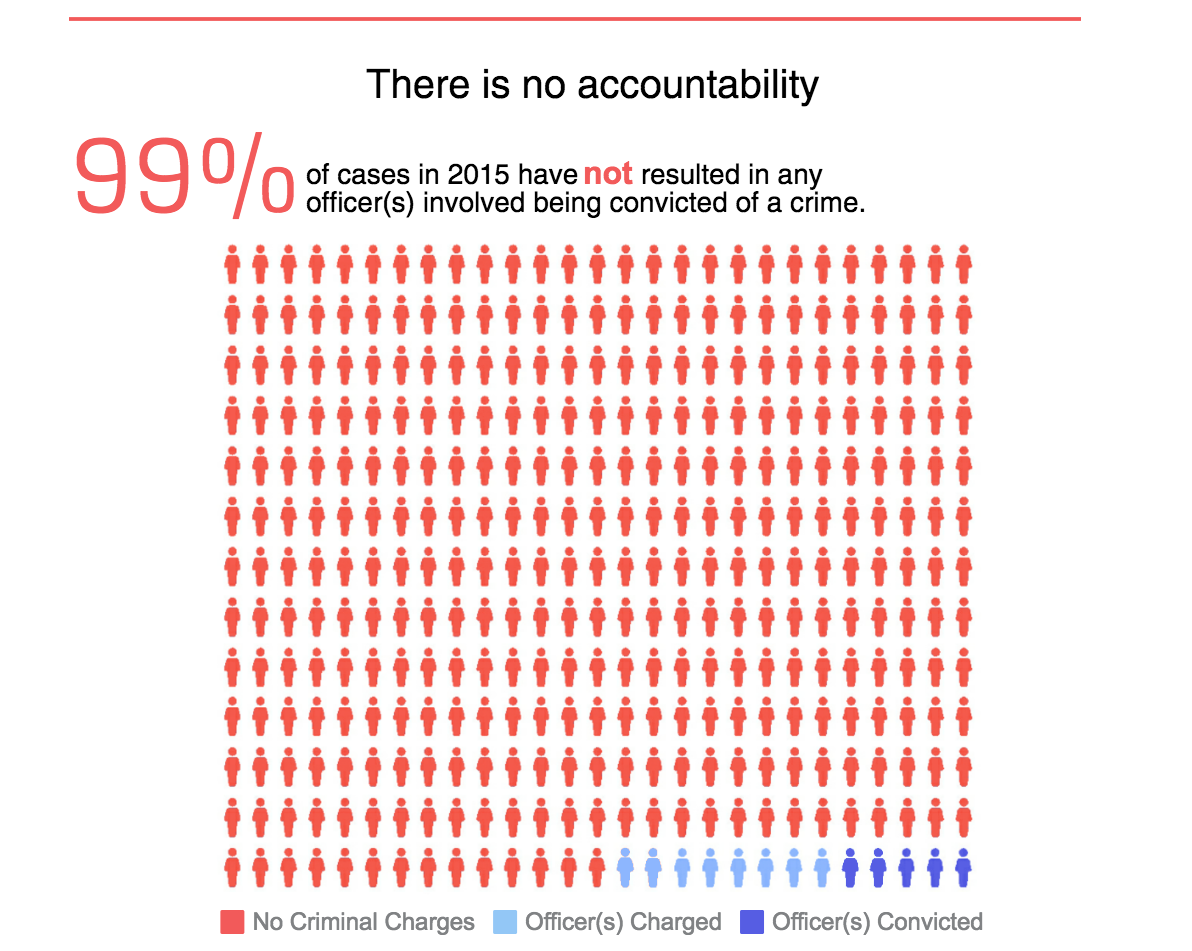
In the United States, only a small fraction of the over 17,000 law enforcement agencies actually track officers misconduct reports. The reason for this is unknown, but it may not be being tracked because it is not seen as misconduct. If an officer is cleared of charges and honored for the actions, even if it costs someone their life, then any initial reports will not be part of the tracking mechanism. Nowadays, many countries have laws addressing police brutality. Unfortunately, even with the law covering police brutality, many complaints made by civilians about excessive use of force are not investigated. Researchers suggest that it happens because the police have the authority to use force when necessary, and it is often difficult to prove that police brutality has taken place. If a person experienced police misconduct, he or she needs to write down the names of all witnesses of the accident, take pictures of his or her injuries and get a medical conclusion on the injuries from a medical professional.
What Is Technology's Role?
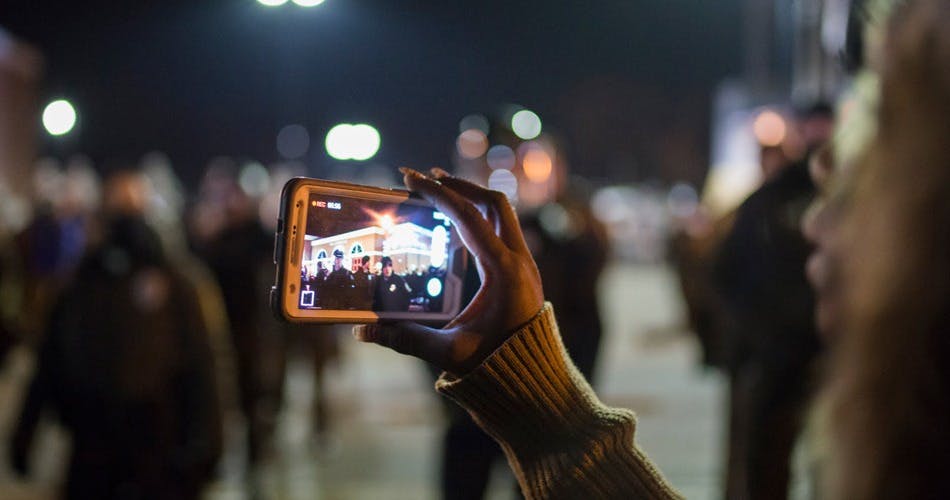
Cases surrounding police brutality have been covered in the media for more than a century, but the increase of media coverage and technology has called law enforcement to protect their officers and civilians more than ever before. Now, police have increased video surveillance of crime scenes by way of dashcams, and more and more streets have cameras surveying the area. Media has played a pivotal role in informing communities of suspected instances of police brutality. Media attention often focuses on the disparate treatment by police based on the race of the suspect. For example, while white people may have represented more numeric deaths in police killings, blacks make up a disproportionate share of these deaths. While Caucasians represent about 63 percent of the United States population, blacks make up about 14 percent of the United States population. Nonetheless, in some years, blacks have accounted for more than a quarter of victims of police shootings despite the lower percentage of the total population they represent.
History of Racial Profiling
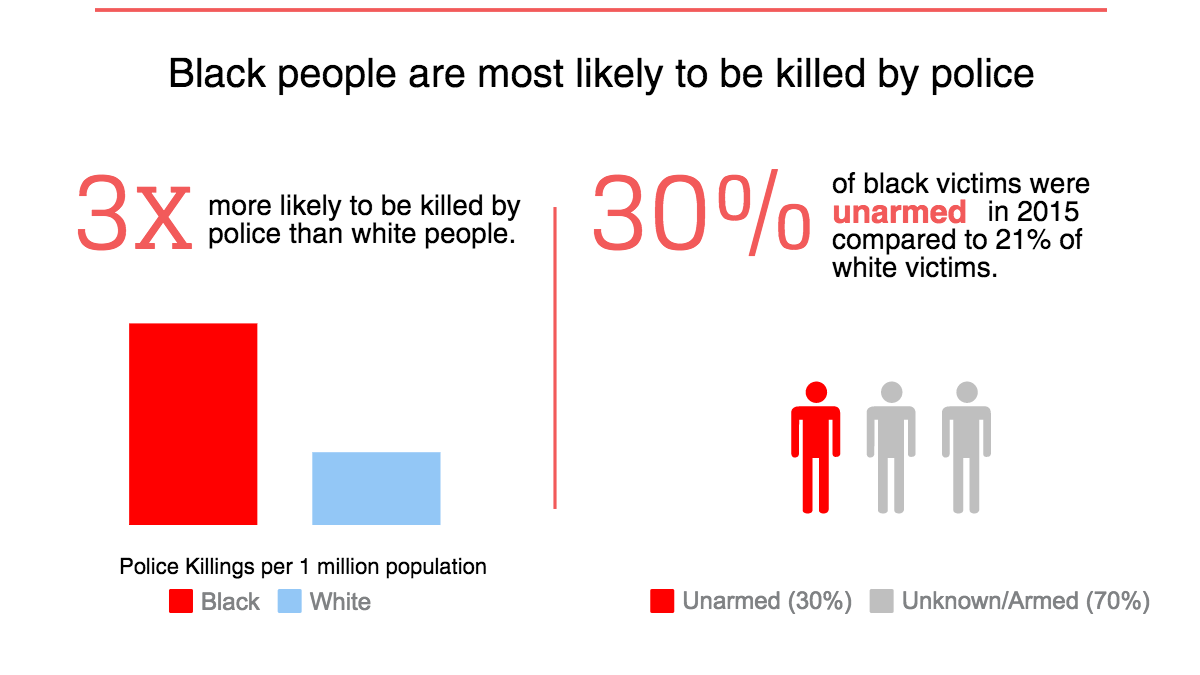
Police brutality is sometimes motivated by racial stereotypes. Law enforcement officers may believe that blacks are more violent than others, and this image is often replicated in media. Law enforcement officers who are already concerned about their safety on the job may be even more anxious when confronting individuals who they prematurely perceive as violent or criminal. These stereotypes are rooted in the sordid history of enslavement, genocide and segregation. According to Mapping Police Violence, “Police killed 1,147 people in 2017. Black people were 25% of those killed despite being only 13% of the population.” Police brutality has historically been perpetrated against individuals in lower socioeconomic levels and the social marginalized, commencing with worker strikes in the late 1800s and early 1900s. Police brutality was permitted against citizens who challenged big industries. Police brutality was used to oppress labor strikes. Also, police would brutalize working-class people and arrest them without cause. Police brutality was also a common occurrence during the civil rights era when activists would be sprayed down with water hoses and attacked by police dogs.
Police Brutality Exists Worldwide

Other nations are suffering from a corrupt police force as well. As new videos of police brutality are constantly released and quickly spread throughout all platforms of media, the public’s awareness of police corruption is increasing like never before. Nonetheless, the problem continues to act as a leading issue across the globe, while expressing no signs of improvement. Though the world is encountering much news relating to white on black crime (in reference to unarmed black men being killed by police), police brutality is a global phenomenon with victims of all races. It extends far beyond the United States. Brazil recorded an average of 2,200 annual civilian deaths by police, according to data in a Brazilian Public Security Forum (BPSF). Sudan and South Sudan are known to have one of the most corrupt police forces in the entire world. Along with other evidence, videos have been leaked online which show law enforcement officers beating people in the street accused of theft. The aspect of police brutality that is increasing, however, is its connection with media. With the widespread of new technology, the world has access to constantly updated news, as well as the ability to share updated news worldwide, at all times. As a crime story is released, the internet blows up in a matter of seconds
Pros and Cons of Body-Worn Cameras
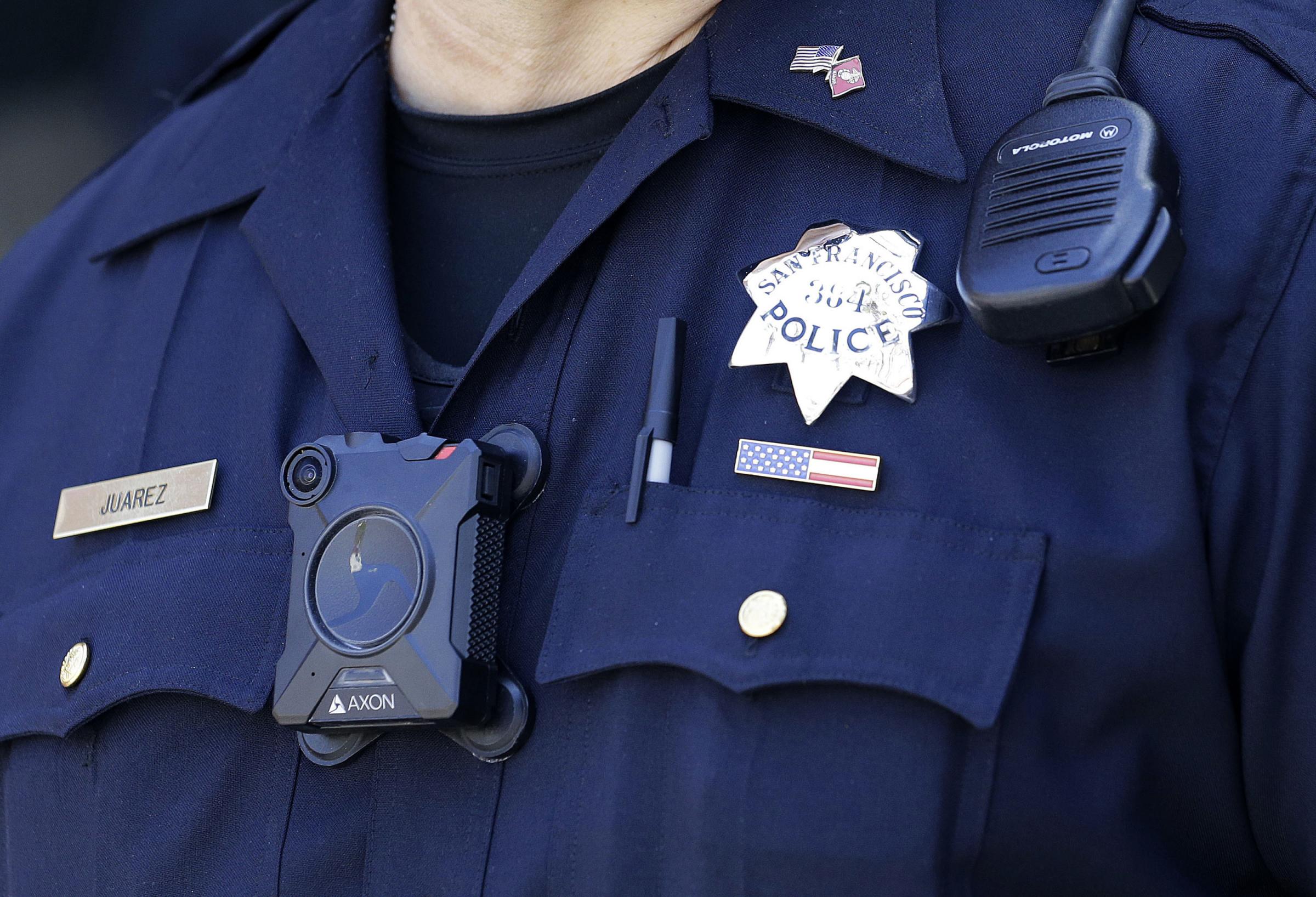
Local police agencies in many major cities and counties are either considering or implementing programs that equip police officers with body-worn cameras (BWCs). The cameras are typically designed to be located on an officer's chest or head and are equipped with a microphone and internal data storage that allows audio and video footage to be stored and analyzed. The U.S. Department of Justice has provided federal funds to support the establishment of body-worn camera programs at the local level. In theory, the use of cameras could reduce the use of force because cameras could have a civilizing effect on all involved. Officers and civilians alike should behave better when they know their behavior is being recorded, reducing the number of violent interactions between officers and civilians. In cases where officers do use force, the video footage will offer factual evidence about what occurred, so that abusive officers can be quickly disciplined, fired, or even convicted of crimes, preventing them from further abusive use of force. It’s also possible that having police officers wear cameras could increase use of force. But facing an accusation can be quite unpleasant, even if it does not lead to penalties, and even a small chance of losing your job or going to prison might be enough to make at least some police officers wary of using force in a borderline situation. Those officers may become more likely to use force when they know camera footage will demonstrate the facts were on their side.
Statistics
- The estimated cost of police brutality incidents in the United States is $1.8 billion
- 1 in 4 people who are killed by law enforcement officials in the United States are unarmed
- 1 out of every 3 people that are killed by police officers in any given year in the United States is African-American/Black
- 27% of police killings in the United States from 2013-2016 were committed by police departments in the 100 largest cities in the country
- 97% of the cases of police brutality that were tracked in 2015 did not result in any officer involved being charged with a crime
- Even though police body cameras have been being implemented across the United States, in New Orleans in 2014, 59% of the time the cameras were not on when police officers were in a use of force event
- 69% of the victims of police brutality in the United States who are African-American/Black were suspected of a non-violent crime and were unarmed
Sources
https://mappingpoliceviolence.org/
https://econofact.org/do-police-body-worn-cameras-reduce-the-use-of-force
https://thelawdictionary.org/article/what-is-police-brutality/
https://vittana.org/42-shocking-police-brutality-statistics
https://www.hg.org/legal-articles/the-history-of-police-brutality-and-what-it-means-for-you-40344
https://scholar.harvard.edu/files/fryer/files/fryer_police_aer.pdf
https://theowp.org/reports/police-brutality-a-global-phenomenon/


