Mental health includes our emotional, psychological, and social well-being. It affects how we think, feel, and act. It also helps determine how we handle stress, and make choices. Mental health is important at every stage of life, from childhood and adolescence through adulthood.
Over the course of your life, if you experience mental health problems, your thinking, mood, and behavior could be affected. Many factors contribute to mental health problems, including:
- Biological factors, such as genes or brain chemistry
- Life experiences, such as trauma or abuse
- Family history of mental health problems
Mental health problems are common but help is available. People with mental health problems can get better and many recover completely.
What are some types of mental disorders?
There are many different types of mental disorders. Some common ones include
- Anxiety disorders, including panic disorder, obsessive-compulsive disorder, post-traumatic stress disorder, and phobias
- Depression, bipolar disorder, and other mood disorders
- Eating disorders
- Personality disorders
- Psychotic disorders, including schizophrenia
What causes mental disorders?
There is no single cause for mental illness. A number of factors can contribute to risk for mental illness, such as
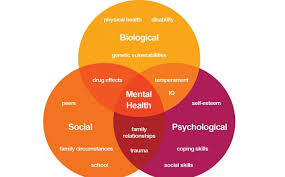
- Your genes and family history
- Your life experiences, such as stress or a history of abuse, especially if they happen in childhood
- Biological factors such as chemical imbalances in the brain
- A traumatic brain injury
- A mother's exposure to viruses or toxic chemicals while pregnant
- Use of alcohol or recreational drugs
- Having a serious medical condition like cancer
- Having few friends, and feeling lonely or isolated
Mental disorders are not caused by character flaws. They have nothing to do with being lazy or weak.
How to Talk to Someone with a Mental Illness
Suggestions on how you may approach someone living with a mental health condition:
- Talk to them in a space that is comfortable, where you won’t likely be interrupted and where there are likely minimal distractions.
- Ease into the conversation, gradually. It may be that the person is not in a place to talk, and that is OK. Greeting them and extending a gentle kindness can go a long way. Sometimes less is more.
- Be sure to speak in a relaxed and calm manner.
- Communicate in a straightforward manner and stick to one topic at a time.
- Be respectful, compassionate and empathetic to their feelings by engaging in reflective listening, such as “I hear that you are having a bad day today. Yes, some days are certainly more challenging than others. I understand.”
- Instead of directing the conversation at them with ‘you’ statements, use ‘I’ statements instead.
- Be a good listener, be responsive and make eye contact with a caring approach.
- Ask them appropriate questions and avoid prying.
- Give them the opportunity to talk and open up but don’t press.
- Share some easy insights as a way of encouraging easy conversation, such as comments about the weather, the community or other.
- Reduce any defensiveness by sharing your feelings and looking for common ground.
- Speak at a level appropriate to their age and development level. Keep in mind that mental illness has nothing to do with a person’s intelligence.
- Be aware of a person becoming upset or confused by your conversation with them.
- Show respect and understanding for how they describe and interpret their symptoms.
- Genuinely express your concern.
- Offer your support and connect them to help if you feel that they need it. Ask, “How can I help?” if appropriate, or even, “Can I pray with you now?” if appropriate.
Are Stress and Anxiety Mental Illnesses?
Stress is a feeling of emotional or physical tension. It can come from any event or thought that makes you feel frustrated, angry, or nervous. Stress is your body's reaction to a challenge or demand. In short bursts, stress can be positive, such as when it helps you avoid danger or meet a deadline. But when stress lasts for a long time, it may harm your health.
Stress is a normal feeling. There are two main types of stress:
Acute stress. This is short-term stress that goes away quickly. You feel it when you slam on the brakes, have a fight with your partner, or ski down a steep slope. It helps you manage dangerous situations. It also occurs when you do something new or exciting. All people have acute stress at one time or another.Chronic stress . This is stress that lasts for a longer period of time. You may have chronic stress if you have money problems, an unhappy marriage, or trouble at work. Any type of stress that goes on for weeks or months is chronic stress. You can become so used to chronic stress that you don't realize it is a problem. If you don't find ways to manage stress, it may lead to health problems

Experiencing occasional anxiety is a normal part of life. However, people with anxiety disorders frequently have intense, excessive and persistent worry and fear about everyday situations. Often, anxiety disorders involve repeated episodes of sudden feelings of intense anxiety and fear or terror that reach a peak within minutes (panic attacks). These feelings of anxiety and panic interfere with daily activities, are difficult to control, are out of proportion to the actual danger and can last a long time. You may avoid places or situations to prevent these feelings. Symptoms may start during childhood or the teen years and continue into adulthood. Examples of anxiety disorders include generalized anxiety disorder, social anxiety disorder (social phobia), specific phobias and separation anxiety disorder. You can have more than one anxiety disorder. Sometimes anxiety results from a medical condition that needs treatment.
- Feeling nervous, restless or tense
- Having a sense of impending danger, panic or doom
- Having an increased heart rate
- Breathing rapidly (hyperventilation)
- Sweating
- Trembling
- Feeling weak or tired
- Trouble concentrating or thinking about anything other than the present worry
- Having trouble sleeping
- Having difficulty controlling worry
Information Sources
How to Help a Person With a Mental Illness



Design Copyright © Derek Thach Information from indicated sources