Animal Testing
What is Animal Testing?
An animal test is any scientific experiment or test in which a live animal is forced to undergo something that is likely to cause them pain, suffering, distress or lasting harm. Animal experiments are not the same as taking your companion animal to the vet. Animals used in laboratories are deliberately harmed, not for their own good, and are usually killed at the end of the experiment. Animal experiments include injecting or force feeding animals with potentially harmful substances, exposing animals to radiation, surgically removing animals’ organs or tissues to deliberately cause damage, forcing animals to inhale toxic gases, and subjecting animals to frightening situations to create anxiety and depression.
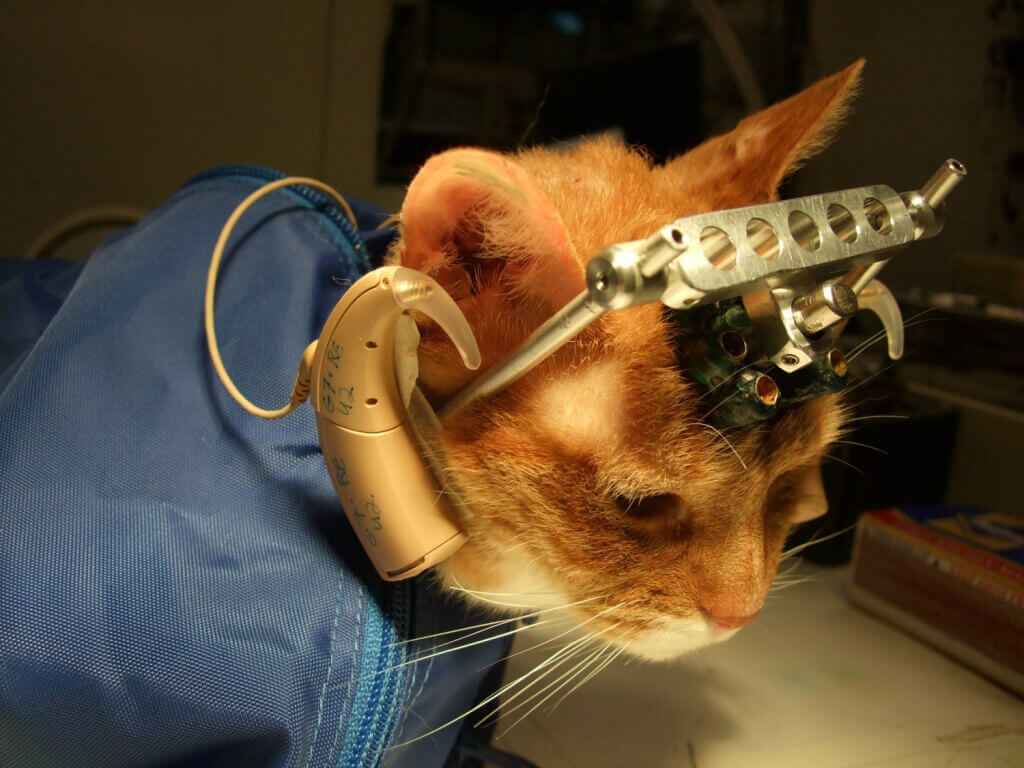
Only vertebrate animals (mammals, birds, fish and amphibians) and some invertebrates such as octopuses are defined as ‘animals’ by European legislation governing animal experiments. Shockingly, in the USA rats, mice, fish, amphibians and birds are not defined as animals under animal experiments regulations. That means no legal permission to experiment on them is needed and they are not included in any statistics.Animals used in experiments are usually bred for this purpose by the laboratory or in breeding facilities. It’s a cruel, multi-million dollar industry.
A large proportion of animal experiments in the EU are reported to cause ‘moderate’ or ‘severe suffering’ to the animals - according to the researchers who carry them out. In the UK in 2018, 31% of animal experiments involved moderate or severe suffering. Some experiments require the animal to die as part of the test. For example, regulatory tests for botox, vaccines and some tests for chemical safety are essentially variations of the cruel Lethal Dose 50 test in which 50% of the animals die or are killed very close to death.
History of Animal Testing
An estimated 26 million animals are used every year in the United States for scientific and commercial testing. Animals are used to develop medical treatments, determine the toxicity of medications, check the safety of products destined for human use, and other biomedical, commercial, and health care uses. Research on living animals has been practiced since at least 500 BC. Descriptions of the dissection of live animals have been found in ancient Greek writings from as early as circa 500 BC. Physician-scientists such as Aristotle, Herophilus, and Erasistratus performed the experiments to discover the functions of living organisms. Vivisection (dissection of a living organism) was practiced on human criminals in ancient Rome and Alexandria, but prohibitions against mutilation of the human body in ancient Greece led to a reliance on animal subjects. Aristotle believed that animals lacked intelligence, and so the notions of justice and injustice did not apply to them. Theophrastus, a successor to Aristotle, disagreed, objecting to the vivisection of animals on the grounds that, like humans, they can feel pain, and causing pain to animals was an affront to the gods.
Cosmetic Testing
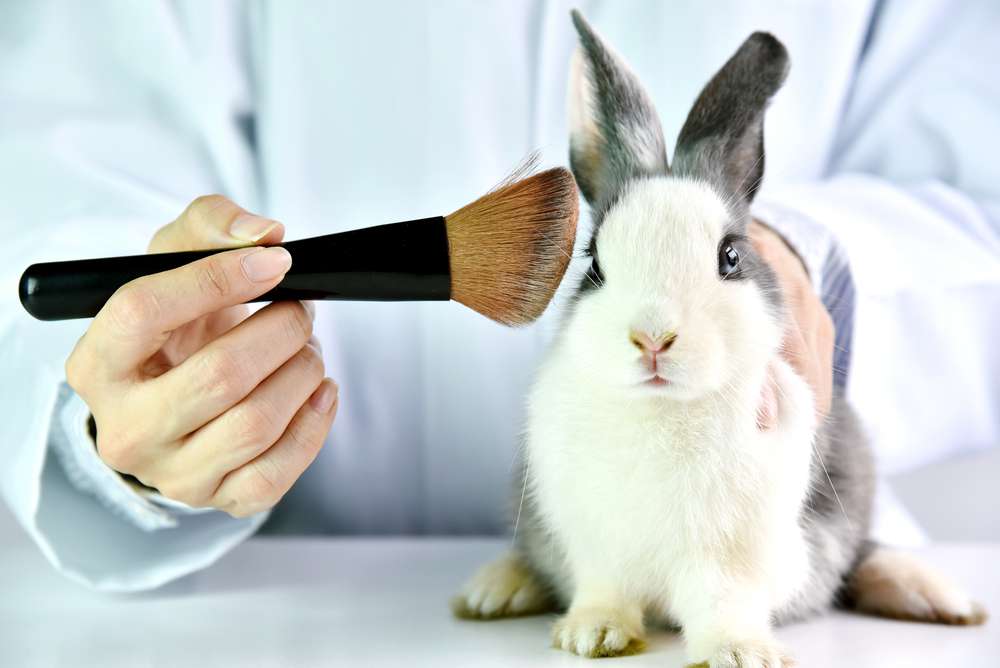
Animals are also used for testing cosmetic products. The use of animals for cosmetics testing was instituted in the 1940s in response to serious injuries suffered by people who were exposed to unsafe beauty products. Today, many companies actually have no need to test, as their formularies rely upon ingredients that are classified as “generally recognized as safe.” Testing for these ingredients may have been conducted on animals at one time, but is not done so currently. Regardless, some companies continue to do animal testing as a kind of legal protection against a lawsuit if a product harms a person. They may use the animal tests as evidence that they used “due diligence” in conducting safety testing. Another reason that cosmetics testing may take place using animals is that a company may be testing new chemical compounds, or testing compounds on a sensitive population such as children or the elderly, to determine whether the substances will cause an allergic reaction if applied to skin, or whether they cause irritation or corrosion of the skin or eyes.
An Alternative Way
Companies that manufacture or market their products overseas may be required to submit them for animal testing. Today, however, a growing number of countries around the world have passed laws banning cosmetics testing on animals. At the same time, many companies are working to develop, validate and implement innovative alternative methods that are not only replacing animal testing for cosmetics, but which are also being used in other industries. Replacing animal tests does not mean putting human patients at risk. It also does not mean halting medical progress. Instead, replacing animal testing will improve the quality as well as the humaneness of our science. Thankfully, the development of alternative methods is growing. Due to innovations in science, animal tests are being replaced in areas such as toxicity testing, neuroscience and drug development. But much more needs to be done.
10 Facts about Animal Testing
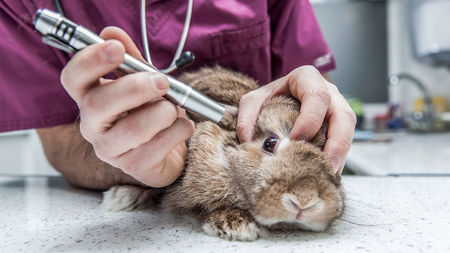
- Over 100 million animals are burned, crippled, poisoned, and abused in US labs every year.
- 92% of experimental drugs that are safe and effective in animals fail in human clinical trials because they are too dangerous or do not work.
- Labs that use mice, rats, birds, reptiles and amphibians are exempted from the minimal protections under the Animal Welfare Act (AWA).
- Up to 90% of animals used in U.S. labs are not counted in the official statistics of animals tested. Take a stand by kidnapping your friends’ products that were tested on animals (seriously!).
- Europe, the world’s largest cosmetic market, Israel and India have already banned animal testing for cosmetics, and the sale or import of newly animal-tested beauty products.
- Even animals that are protected under the AWA can be abused and tortured. And the law doesn’t require the use of valid alternatives to animals, even if they are available.
- According to the Humane Society, registration of a single pesticide requires more than 50 experiments and the use of as many as 12,000 animals.
- In tests of potential carcinogens, subjects are given a substance every day for 2 years. Others tests involve killing pregnant animals and testing their fetuses.
- The real-life applications for some of the tested substances are as trivial as an “improved” laundry detergent, new eye shadow, or copycat drugs to replace a profitable pharmaceutical whose patent expired.
- Alternative tests achieve one or more of the “3 R’s:” replaces a procedure that uses animals with a procedure that doesn’t, reduces the number of animals used in a procedure, refines a procedure to alleviate or minimize potential animal pain.
Sources
Design Copyright © 2019 Hajera Laique
Information from indicated sources