What Is Climate Change?
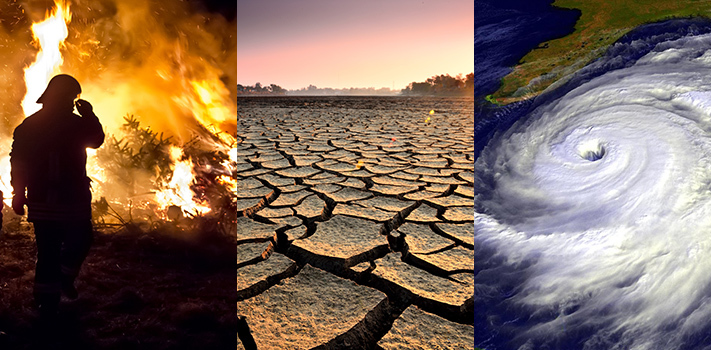
On Earth, human activities are changing the natural greenhouse. Earth’s climate is now changing faster than at any point in the history of modern civilization, primarily as a result of human activities. Global climate change has already resulted in a wide range of impacts across every region of the country and many sectors of the economy that are expected to grow in the coming decades.
The Biggest Contributer to Climate Change
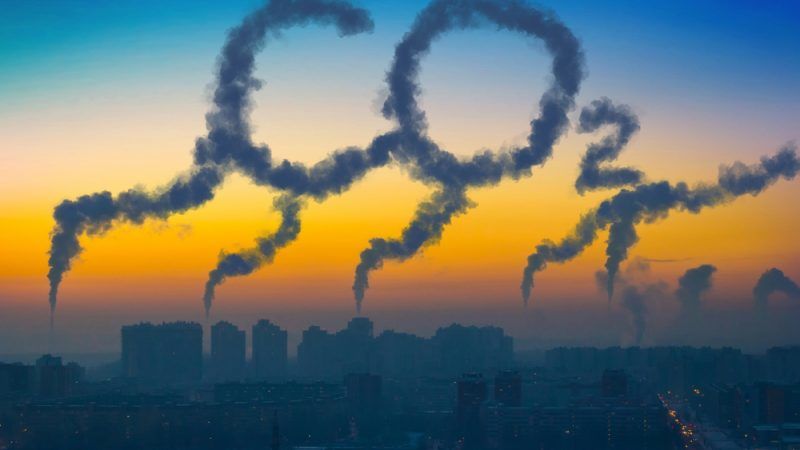
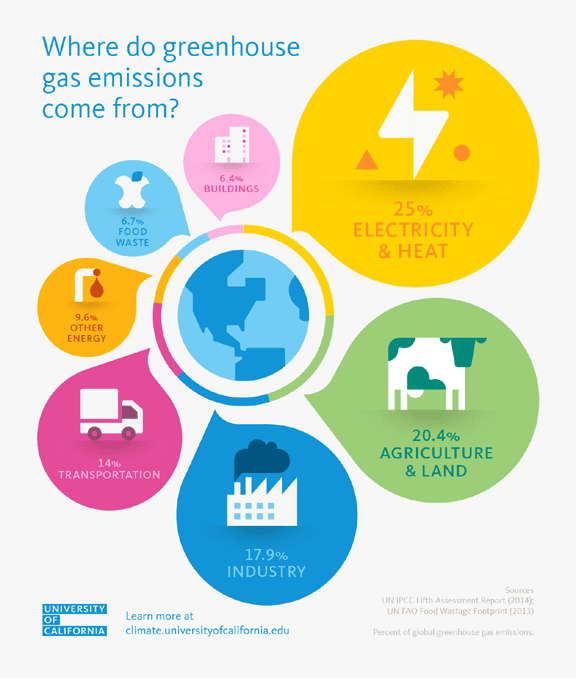
Over the last century the burning of fossil fuels like coal and oil has increased the concentration of atmospheric carbon dioxide (CO2). This happens because the coal or oil burning process combines carbon with oxygen in the air to make CO2. To a lesser extent, the clearing of land for agriculture, industry, and other human activities has increased concentrations of greenhouse gases. The consequences of changing the natural atmospheric greenhouse are difficult to predict, but certain effects seem likely: On average, Earth will become warmer. Some regions may welcome warmer temperatures, but others may not. Warmer conditions will probably lead to more evaporation and precipitation overall, but individual regions will vary, some becoming wetter and others drier. A stronger greenhouse effect will warm the oceans and partially melt glaciers and other ice, increasing sea level. Ocean water also will expand if it warms, contributing further to sea level rise. Meanwhile, some crops and other plants may respond favorably to increased atmospheric CO2, growing more vigorously and using water more efficiently. At the same time, higher temperatures and shifting climate patterns may change the areas where crops grow best and affect the makeup of natural plant communities.
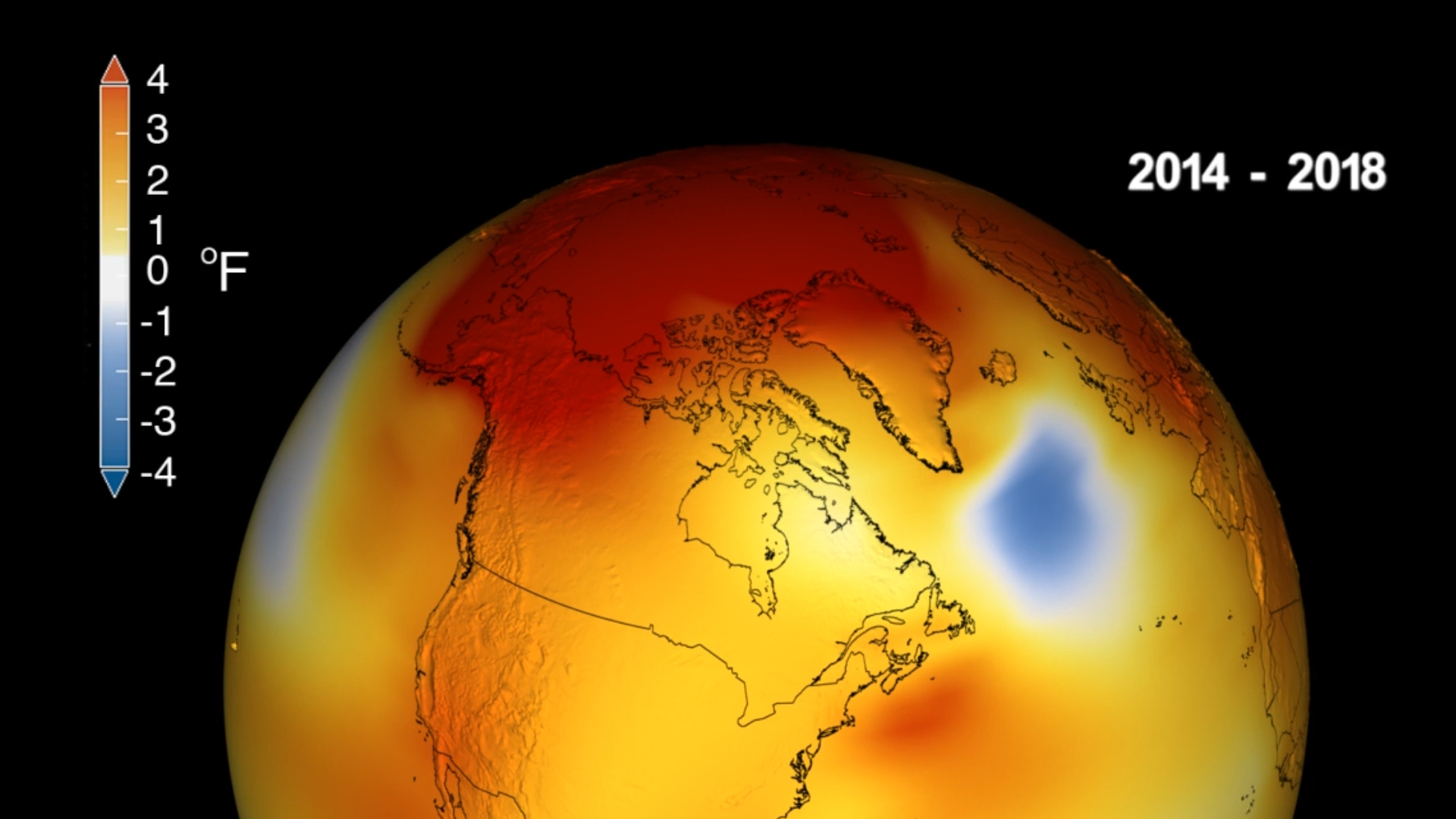
Fossil fuels — coal, oil and natural gas — are also major contributors to climate change, accounting for the vast majority of greenhouse gas emissions. They’re also one of the main culprits polluting our air, water and soil. Coal-burning power plants, for example, produce millions of tons of toxic sludge every year, and we’re still reeling from the impacts of the 2010 BP Deepwater Horizon spill that rocked the Gulf of Mexico. As global temperatures increase, sea level rise and extreme weather become even bigger threats to communities at home and around the world. Already in the United States we’ve seen major hurricanes, floods, drought and wildfires all linked to climate change, and that’s just in the past few years.
Greenhouse Gasses
Scientists have high confidence that global temperatures will continue to rise for decades to come, largely due to greenhouse gases produced by human activities. The Intergovernmental Panel on Climate Change (IPCC), which includes more than 1,300 scientists from the United States and other countries, forecasts a temperature rise of 2.5 to 10 degrees Fahrenheit over the next century. According to the IPCC, the extent of climate change effects on individual regions will vary over time and with the ability of different societal and environmental systems to mitigate or adapt to change. The IPCC predicts that increases in global mean temperature of less than 1.8 to 5.4 degrees Fahrenheit (1 to 3 degrees Celsius) above 1990 levels will produce beneficial impacts in some regions and harmful ones in others. Net annual costs will increase over time as global temperatures increase. "Taken as a whole," the IPCC states, "the range of published evidence indicates that the net damage costs of climate change are likely to be significant and to increase over time."
Larger emissions of greenhouse gases lead to higher concentrations in the atmosphere. Greenhouse gas concentrations are measured in parts per million, parts per billion, and even parts per trillion. One part per million is equivalent to one drop of water diluted into about 13 gallons of liquid (roughly the fuel tank of a compact car).
Each of these gases can remain in the atmosphere for different amounts of time, ranging from a few years to thousands of years. All of these gases remain in the atmosphere long enough to become well mixed, meaning that the amount that is measured in the atmosphere is roughly the same all over the world, regardless of the source of the emissions.
What Can We Do?
- Avoid products with a lot of packaging! You can save 1,200 pounds of carbon dioxide if you reduce your garbage by 10 percent.
- Adjust your thermostat! Moving your thermostat down just 2 degrees in winter and up 2 degrees in summer could save about 2,000 pounds of carbon dioxide a year.
- Plant a tree! A single tree will absorb one ton of carbon dioxide over its lifetime.
- Turn off electronic devices! Simply turning off your television, DVD player, stereo, and computer, when you're not using them, will save you thousands of pounds of carbon dioxide a year.
- Drive less! Walk, bike, carpool or take mass transit more often. You'll save one pound of carbon dioxide for every mile you don't drive!
- Recycle more! You can save 2,400 pounds of carbon dioxide per year by recycling just half of your household waste.
- Use less hot water! It takes a lot of energy to heat water. Use less hot water by taking shorter and cooler showers and washing your clothes in cold or warm instead of hot water (more than 500 pounds of carbon dioxide saved per year).
- Check your tires! Keeping your tires inflated properly can improve your gas mileage by more than 3 percent. Every gallon of gasoline saved keeps 20 pounds of carbon dioxide out of the atmosphere.
Sources
- Global Change.gov
- NASA Climate
- North Western Education
- Conservation Climate Chaneg Facts
- Climate Change Affecting Daily Life
- Global Warming
- Overview of Greenhouse Gasses


Design Copyright © 2019 Hira Asad Unless otherwise noted