Climate Change
Evidence
The Earth's climate has changed throughout history. Just in the last 650,000 years there have been seven cycles of glacial advance and retreat, with the abrupt end of the last ice age about 7,000 years ago marking the beginning of the modern climate era — and of human civilization. Most of these climate changes are attributed to very small variations in Earth’s orbit that change the amount of solar energy our planet receives. Earth’s climate is now changing faster than at any point in the history of modern civilization, primarily as a result of human activities. Global climate change has already resulted in a wide range of impacts across every region of the country and many sectors of the economy that are expected to grow in the coming decades.
The current warming trend is of particular significance because most of it is extremely likely (greater than 95 percent probability) to be the result of human activity since the mid-20th century and proceeding at a rate that is unprecedented over decades to millennia.
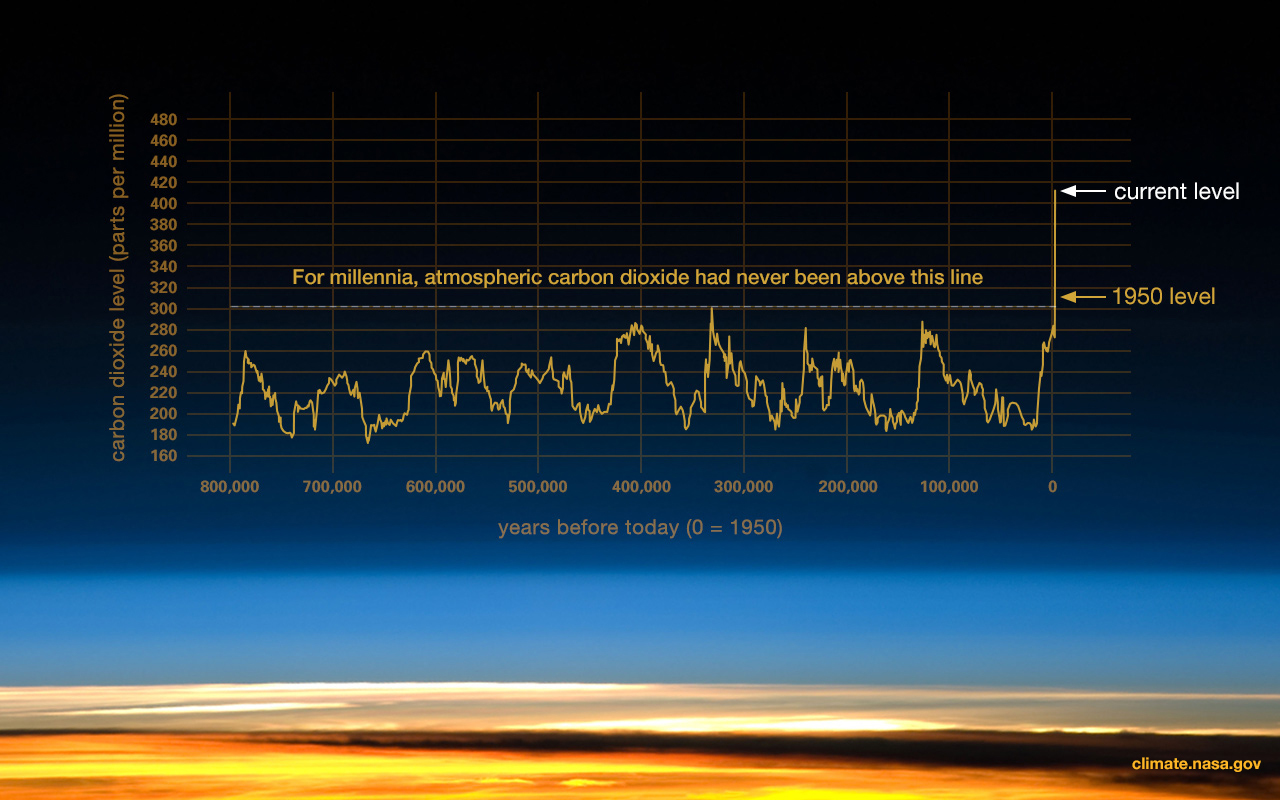
Earth-orbiting satellites and other technological advances have enabled scientists to see the big picture, collecting many different types of information about our planet and its climate on a global scale. This body of data, collected over many years reveal the signals of a changing climate.
The heat-trapping nature of carbon dioxide and other gases was demonstrated in the mid-19th century. Their ability to affect the transfer of infrared energy through the atmosphere is the scientific basis of many instruments flown by NASA. There is no question that increased levels of greenhouse gases must cause the Earth to warm in response.
Ice cores drawn from Greenland, Antarctica, and tropical mountain glaciers show that the Earth’s climate responds to changes in greenhouse gas levels. Ancient evidence can also be found in tree rings, ocean sediments, coral reefs, and layers of sedimentary rocks. This ancient, or paleoclimate, evidence reveals that current warming is occurring roughly ten times faster than the average rate of ice-age-recovery warming.
Causes
Scientists attribute the global warming trend observed since the mid-20th century to the human expansion of the "greenhouse effect" — warming that results when the atmosphere traps heat radiating from Earth toward space.
Certain gases in the atmosphere block heat from escaping. Long-lived gases that remain semi-permanently in the atmosphere and do not respond physically or chemically to changes in temperature are described as "forcing" climate change. Gases, such as water vapor, which respond physically or chemically to changes in temperature are seen as "feedbacks."
Gases that contribute to the greenhouse effect include:
- Water vapor. The most abundant greenhouse gas, but importantly, it acts as a feedback to the climate. Water vapor increases as the Earth's atmosphere warms, but so does the possibility of clouds and precipitation, making these some of the most important feedback mechanisms to the greenhouse effect.
- Carbon dioxide (CO2). A minor but very important component of the atmosphere, carbon dioxide is released through natural processes such as respiration and volcano eruptions and through human activities such as deforestation, land use changes, and burning fossil fuels. Humans have increased atmospheric CO2 concentration by more than a third since the Industrial Revolution began. This is the most important long-lived "forcing" of climate change.
- Methane. A hydrocarbon gas produced both through natural sources and human activities, including the decomposition of wastes in landfills, agriculture, and especially rice cultivation, as well as ruminant digestion and manure management associated with domestic livestock. On a molecule-for-molecule basis, methane is a far more active greenhouse gas than carbon dioxide, but also one which is much less abundant in the atmosphere.
- Nitrous oxide. A powerful greenhouse gas produced by soil cultivation practices, especially the use of commercial and organic fertilizers, fossil fuel combustion, nitric acid production, and biomass burning.
- Chlorofluorocarbons (CFCs). Synthetic compounds entirely of industrial origin used in a number of applications, but now largely regulated in production and release to the atmosphere by international agreement for their ability to contribute to destruction of the ozone layer. They are also greenhouse gases.
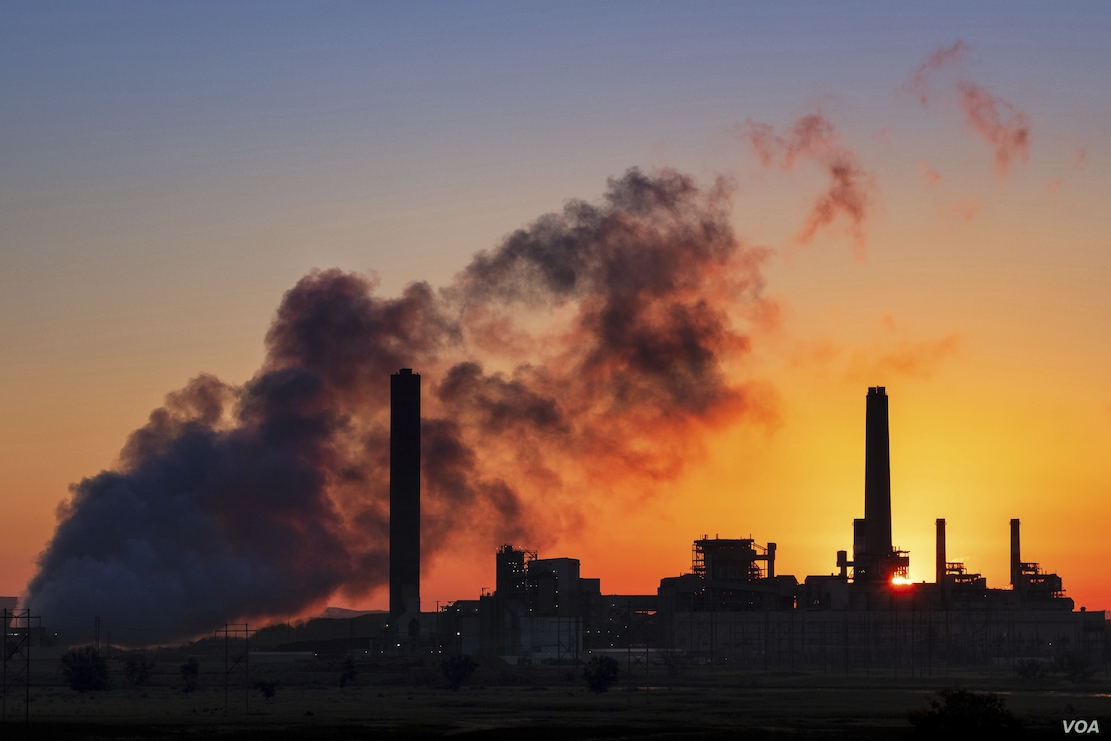
On Earth, human activities are changing the natural greenhouse. Over the last century the burning of fossil fuels like coal and oil has increased the concentration of atmospheric carbon dioxide (CO2). This happens because the coal or oil burning process combines carbon with oxygen in the air to make CO2. To a lesser extent, the clearing of land for agriculture, industry, and other human activities has increased concentrations of greenhouse gases.
The consequences of changing the natural atmospheric greenhouse are difficult to predict, but certain effects seem likely:
- On average, Earth will become warmer. Some regions may welcome warmer temperatures, but others may not.
- Warmer conditions will probably lead to more evaporation and precipitation overall, but individual regions will vary, some becoming wetter and others dryer.
- A stronger greenhouse effect will warm the oceans and partially melt glaciers and other ice, increasing sea level. Ocean water also will expand if it warms, contributing further to sea level rise.
- Meanwhile, some crops and other plants may respond favorably to increased atmospheric CO2, growing more vigorously and using water more efficiently. At the same time, higher temperatures and shifting climate patterns may change the areas where crops grow best and affect the makeup of natural plant communities.
Effects
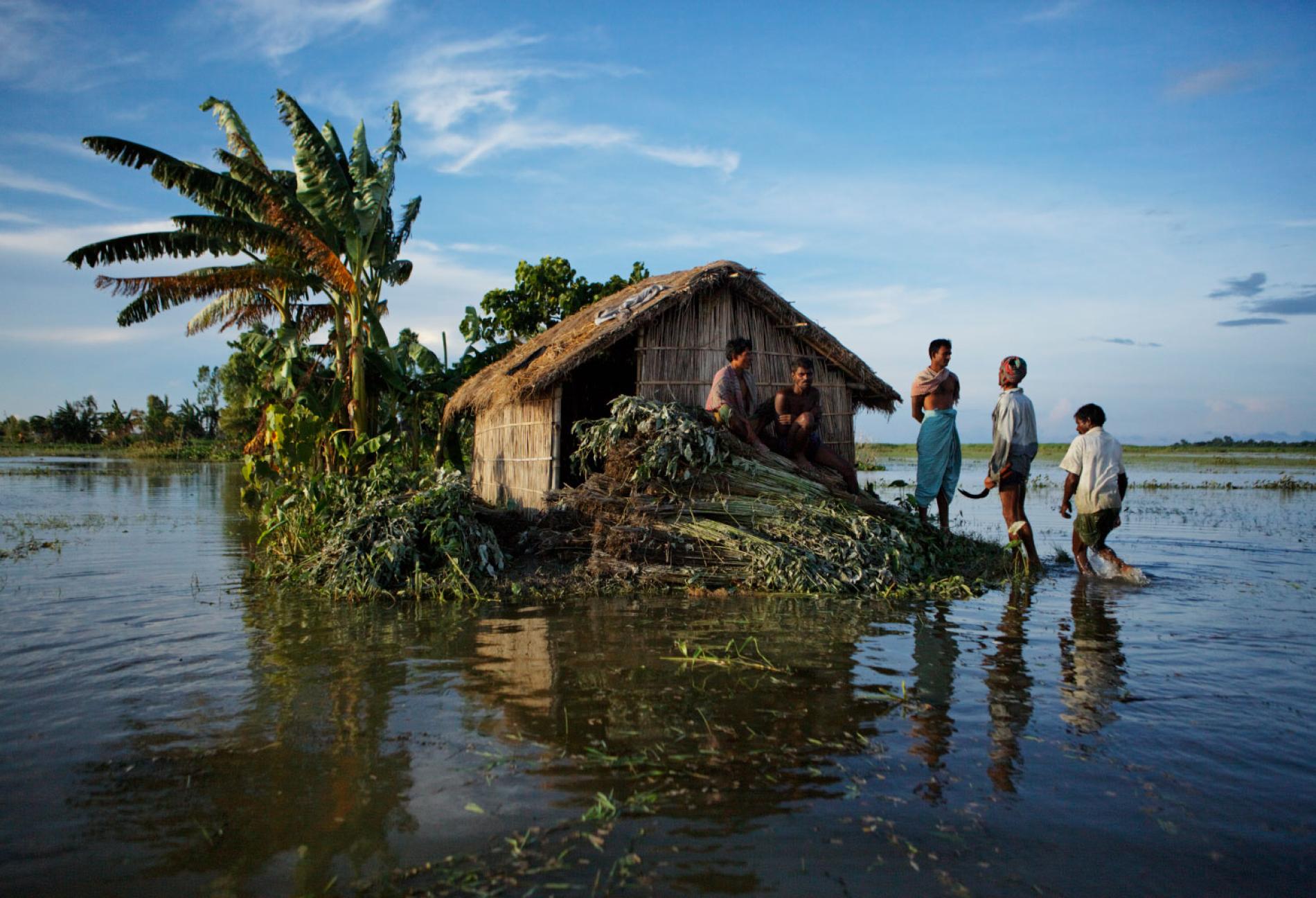
Global climate change has already had observable effects on the environment. Glaciers have shrunk, ice on rivers and lakes is breaking up earlier, plant and animal ranges have shifted and trees are flowering sooner.
Effects that scientists had predicted in the past would result from global climate change are now occurring: loss of sea ice, accelerated sea level rise and longer, more intense heat waves
Scientists have high confidence that global temperatures will continue to rise for decades to come, largely due to greenhouse gases produced by human activities. The Intergovernmental Panel on Climate Change (IPCC), which includes more than 1,300 scientists from the United States and other countries, forecasts a temperature rise of 2.5 to 10 degrees Fahrenheit over the next century.
According to the IPCC, the extent of climate change effects on individual regions will vary over time and with the ability of different societal and environmental systems to mitigate or adapt to change.
The IPCC predicts that increases in global mean temperature of less than 1.8 to 5.4 degrees Fahrenheit (1 to 3 degrees Celsius) above 1990 levels will produce beneficial impacts in some regions and harmful ones in others. Net annual costs will increase over time as global temperatures increase.
"Taken as a whole," the IPCC states, "the range of published evidence indicates that the net damage costs of climate change are likely to be significant and to increase over time."
Furthermore, impacts related to climate change are evident across regions and in many sectors important to society—such as human health, agriculture and food security, water supply, transportation, energy, ecosystems, and others—and are expected to become increasingly disruptive throughout this century and beyond.
Climate change affects human health and wellbeing through more extreme weather events and wildfires, decreased air quality, and diseases transmitted by insects, food, and water. Climate disruptions to agriculture have been increasing and are projected to become more severe over this century, a trend that would diminish the security of America’s food supply. Surface and groundwater supplies in some regions are already stressed, and water quality is diminishing in many areas, in part due to increasing sediment and contaminant concentrations after heavy downpours.
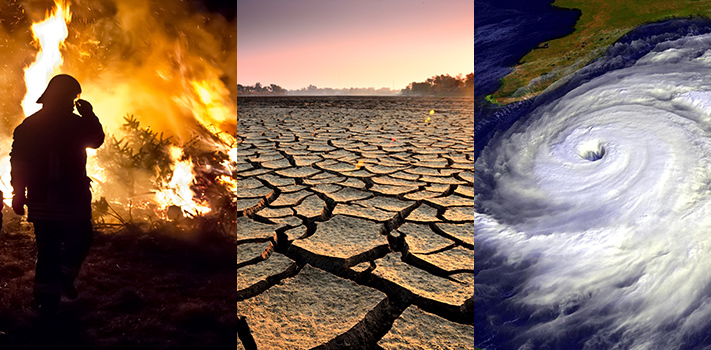
In some regions, prolonged periods of high temperatures associated with droughts contribute to conditions that lead to larger wildfires and longer fire seasons. For coastal communities, sea level rise, combined with coastal storms, has increased the risk of erosion, storm surge damage, and flooding. Extreme heat, sea level rise, and heavy downpours are affecting infrastructure like roads, rail lines, airports, port facilities, energy infrastructure, and military bases.
The capacity of ecosystems like forests, barrier beaches, and wetlands to buffer the impacts of extreme events like fires, floods, and severe storms is being overwhelmed. The rising temperature and changing chemistry of ocean water is combining with other stresses, such as overfishing and pollution, to alter marine-based food production and harm fishing communities.
Some climate changes currently have beneficial effects for specific sectors or regions. For example, current benefits of warming include longer growing seasons for agriculture and longer ice-free seasons for shipping on the Great Lakes. At the same time, however, longer growing seasons, along with higher temperatures and carbon dioxide levels, can increase pollen production, intensifying and lengthening the allergy season. Longer ice-free periods on the Great Lakes can result in more lake-effect snowfalls.
Today, these and other aspects of climate change are having increasingly complex and important impacts on the American economy and quality of life.
Sources
NASA
https://climate.nasa.gov/evidence/Global Change
https://www.globalchange.gov/climate-change

