Drug Abuse
When does drug use become drug abuse or addiction?
People from all walks of life can experience problems with their drug use, regardless of age, race, background, or the reason they started using drugs in the first place. Some people experiment with recreational drugs out of curiosity, to have a good time, because friends are doing it, or to ease problems such as stress, anxiety, or depression. However, it’s not just illegal drugs, such as cocaine or heroin, that can lead to abuse and addiction. Prescription medications such as painkillers, sleeping pills, and tranquilizers can cause similar problems. In fact, next to marijuana, prescription painkillers are the most abused drugs in the U.S. and more people die from overdosing powerful opioid painkillers each day than from traffic accidents and gun deaths combined. And addiction to opioid painkillers can be so powerful it has become the major risk factor for heroin abuse. Of course, drug use—either illegal or prescription—doesn’t automatically lead to abuse. Some people are able to use recreational or prescription drugs without experiencing negative effects, while others find that substance use takes a serious toll on their health and well-being. Similarly, there is no specific point at which drug use moves from casual to problematic. Drug abuse and addiction is less about the type or amount of the substance consumed or the frequency of your drug use, and more about the consequences of drug use. If your drug use is causing problems in your life—at work, school, home, or in your relationships—you likely have a drug abuse or addiction problem.
What Is drug addiction?
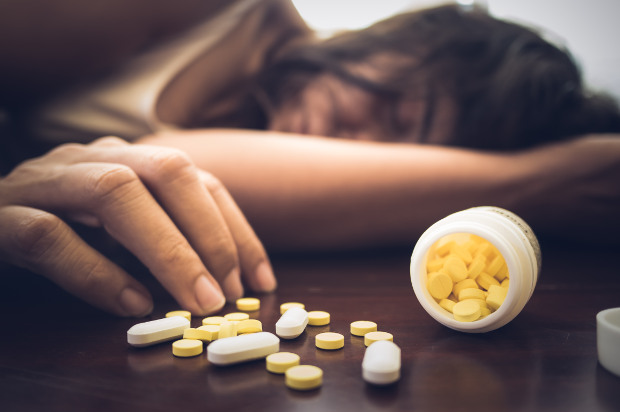
If you’re worried about your own or a loved one’s drug use, learning how drug abuse and addiction develops—and why it can have such a powerful hold—will give you a better understanding of how to best deal with the problem and regain control of your life. Recognizing that you have a problem is the first step on the road to recovery, one that takes tremendous courage and strength. Facing your problem without minimizing the issue or making excuses can feel frightening and overwhelming, but recovery is within reach. If you’re ready to seek help, you can overcome your addiction and build a satisfying, drug-free life for yourself. Drug addiction, also called substance use disorder, is a disease that affects a person's brain and behavior and leads to an inability to control the use of a legal or illegal drug or medication. Substances such as alcohol, marijuana and nicotine also are considered drugs. When you're addicted, you may continue using the drug despite the harm it causes. Drug addiction can start with experimental use of a recreational drug in social situations, and, for some people, the drug use becomes more frequent. For others, particularly with opioids, drug addiction begins with exposure to prescribed medications, or receiving medications from a friend or relative who has been prescribed the medication.The risk of addiction and how fast you become addicted varies by drug. Some drugs, such as opioid painkillers, have a higher risk and cause addiction more quickly than others.As time passes, you may need larger doses of the drug to get high. Soon you may need the drug just to feel good.
Drug and Addiction Disorder
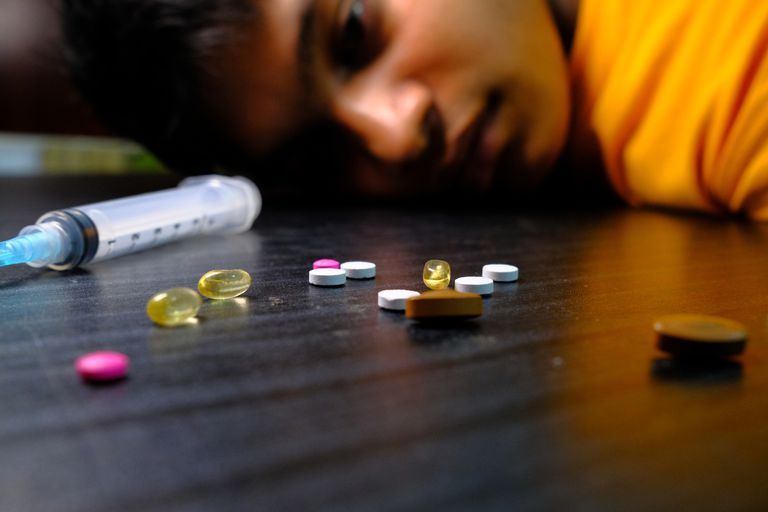
As your drug use increases, you may find that it's increasingly difficult to go without the drug. Attempts to stop drug use may cause intense cravings and make you feel physically ill (withdrawal symptoms). You may need help from your doctor, family, friends, support groups or an organized treatment program to overcome your drug addiction and stay drug-free. Many people don't understand why or how other people become addicted to drugs. They may mistakenly think that those who use drugs lack moral principles or willpower and that they could stop their drug use simply by choosing to. In reality, drug addiction is a complex disease, and quitting usually takes more than good intentions or a strong will. Drugs change the brain in ways that make quitting hard, even for those who want to. Fortunately, researchers know more than ever about how drugs affect the brain and have found treatments that can help people recover from drug addiction and lead productive lives.
Why do people use drugs
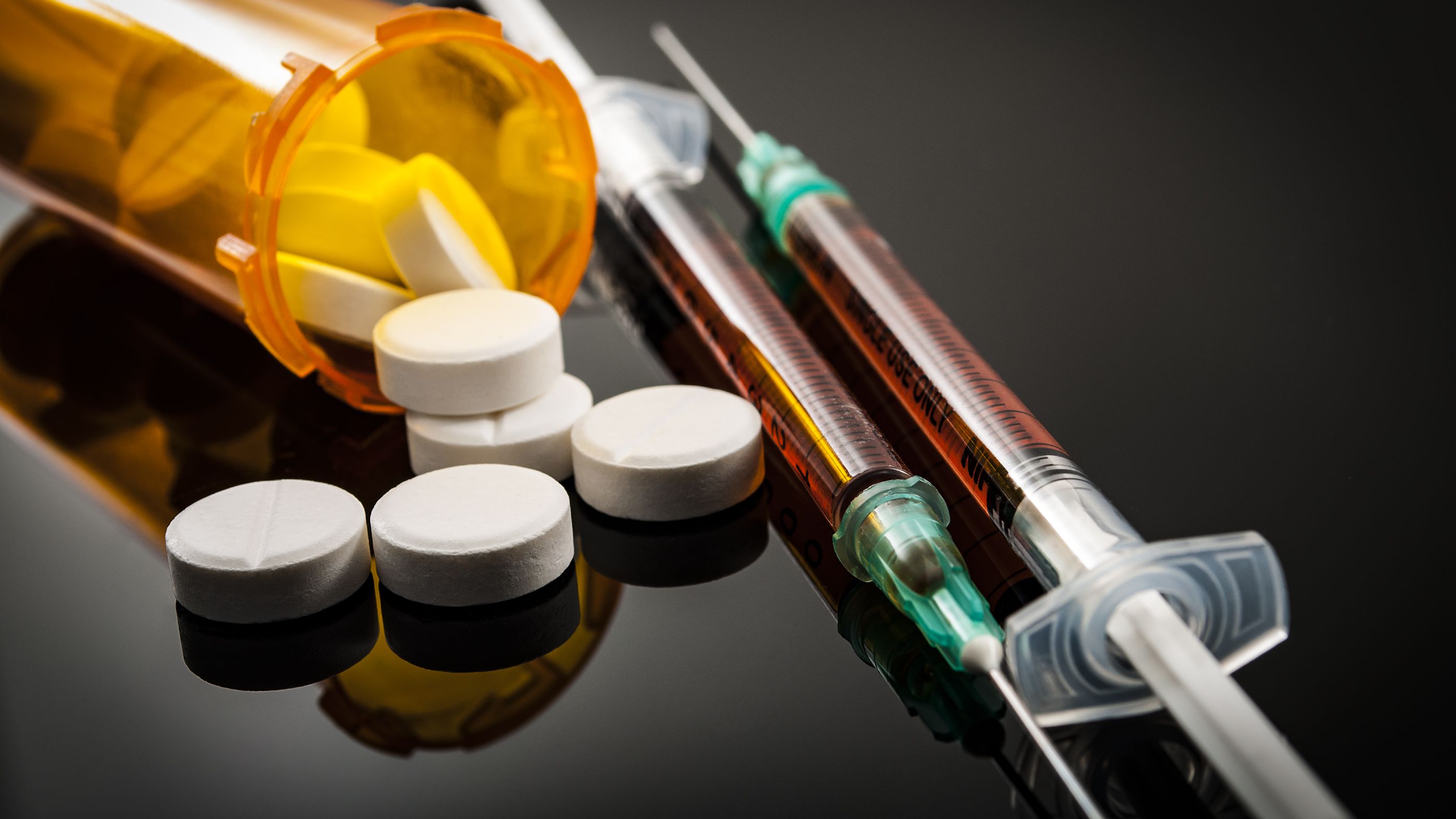
Unsure of how to identify and address drug addiction? If you have a problem with substance dependence or substance addiction, one of the most important steps you can take is educating yourself about the drug and its effects. DrugAbuse.com provides a complete resource for drug abuse information. Only by having a greater understanding of the substance can you then make an informed decision about drug treatment and the next steps on your path to recovery. DrugAbuse.com strives to provide the most complete overview of necessary substance abuse information so that you can know when and how to get the help you or your loved one needs.
Causes and Effect
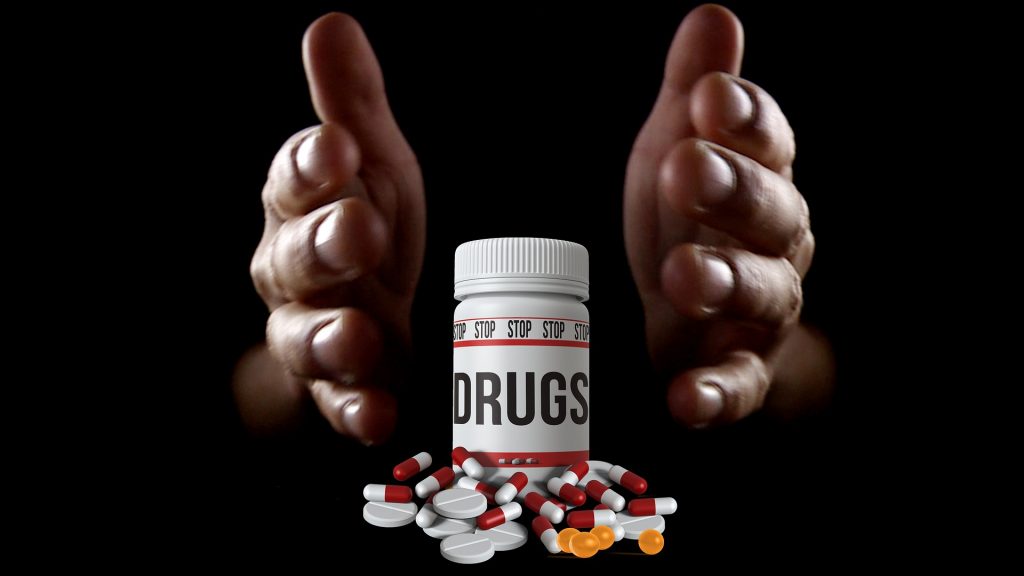
With information for those who are struggling with a drug problem themselves or are worried about someone they love, DrugAbuse.com not only aims to educate you on the facts and figures of drugs and their misuse but will help guide you toward the support and healing you need. People abuse substances such as alcohol, tobacco, and other drugs for varied and complicated reasons, but it is clear that our society pays a significant cost. The toll for this abuse can be seen in our hospitals and emergency departments both through direct damage to health by substance abuse and its link to physical trauma. Jails and prisons tally daily the strong connection between crime and drug dependence and abuse. Although use of some drugs such as cocaine has declined in recent years, use of other drugs such as heroin, crystal methamphetamine, and "club drugs" has increased.
How do you treat this Disorder?
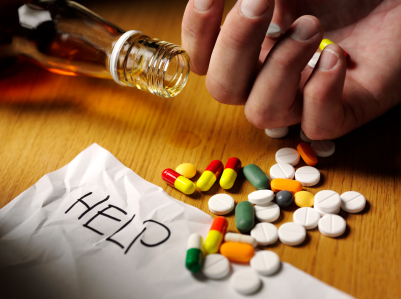
Finding effective treatment for and prevention of substance abuse and substance dependence, now both included under the diagnosis of substance use disorder, has been difficult. Through research, we now have a better understanding of this behavior. Studies have made it clear that drug education and prevention aimed at children and adolescents offers the best chance to curb drug abuse nationally.The 2014 National Household Survey on Drug Abuse estimated that more than 16% of respondents in the United States have used illicit drugs in the past year. Other statistics from the survey include that more than 22% of Americans over 18 years of age have engaged in binge drinking in the past year, and more than 20% of Americans have smoked cigarettes in the past month. Same survey reveals that 21.5 million people over 12 years of age in the United States have had some form of substance use disorder in the past year.
Source
Objective: To make a page that shows that Drugs are bad for teenagers and adults..
Problem: lot of people smoke alot and it is not good.
Solution: We made a page that shows that drugs are bad for students and adults and the causes it can put in your life.