Mental Health
23 August 2019
Defining Mental Illness
Mental health includes our emotional, psychological, and social well-being. It affects how we think, feel, and act. It also helps determine how we handle stress, relate to others, and make choices. Mental health is important at every stage of life, from childhood and adolescence through adulthood.
Mental health includes our emotional, psychological, and social well-being. It affects how we think, feel, and act. It also helps determine how we handle stress, relate to others, and make choices. Mental health is important at every stage of life, from childhood and adolescence through adulthood. Over the course of your life, if you experience mental health problems, your thinking, mood, and behavior could be affected. Many factors contribute to mental health problems, including:
- Biological factors, such as genes or brain chemistry
- Life experiences, such as trauma or abuse
- Family history of mental health problems
Depression
Depression (major depressive disorder or clinical depression) is a common but serious mood disorder. It causes severe symptoms that affect how you feel, think, and handle daily activities, such as sleeping, eating, or working. To be diagnosed with depression, the symptoms must be present for at least two weeks. Some forms of depression are slightly different, or they may develop under unique circumstances, such as:
- Persistent depressive disorder (also called dysthymia) is a depressed mood that lasts for at least two years. A person diagnosed with persistent depressive disorder may have episodes of major depression along with periods of less severe symptoms, but symptoms must last for two years to be considered persistent depressive disorder.
- Psychotic depression occurs when a person has severe depression plus some form of psychosis, such as having disturbing false fixed beliefs (delusions) or hearing or seeing upsetting things that others cannot hear or see (hallucinations). The psychotic symptoms typically have a depressive “theme,” such as delusions of guilt, poverty, or illness.
- Seasonal affective disorder is characterized by the onset of depression during the winter months, when there is less natural sunlight. This depression generally lifts during spring and summer. Winter depression, typically accompanied by social withdrawal, increased sleep, and weight gain, predictably returns every year in seasonal affective disorder.
Feelings of depression do not go away, they perist and interfere with your everyday life. Symptoms can include:
- Extended sadness
- Loss of interest or pleasure in activities you used to enjoy
- Change in weight
- Difficulty sleeping or oversleeping
- Energy loss
- Feelings of worthlessness
- Thoughts of death or suicide

Depression is a disorder of the brain. There are a variety of causes, including genetic, environmental, psychological, and biochemical factors. Depression usually starts between the ages of 15 and 30, and is much more common in women. Women can also get postpartum depression after the birth of a baby. Some people get seasonal affective disorder in the winter. Depression is one part of bipolar disorder.There are effective treatments for depression, including antidepressants and talk therapy. Most people do best by using both.
How to Regulate Your Mental Health
- Value yourself: Treat yourself with kindness and respect, and avoid self-criticism. Make time for your hobbies and favorite projects, or broaden your horizons. Do a daily crossword puzzle, plant a garden, take dance lessons, learn to play an instrument or become fluent in another language.
- Take care of your body: Taking care of yourself physically can improve your mental health. Be sure to:
- Eat nutritious meals
- Avoid cigarsettes
- Drink plenty of water
- Excercise, which helps decrease depression, anxiety and inproves moods
- Get enough sleep. Reasearchers believe that lack of sleep contributes to a high rate of depression in college students.
- Surrond yourself with good people: People with strong family or social connections are generally healthier than those who lack a support network. Make plans with supportive family members and friends, or seek out activities where you can meet new people, such as a club, class or support group.
- Give yourself: Volunteer your time and energy to help someone else. You'll feel good about doing something tangible to help someone in need — and it's a great way to meet new people.
- Learn how to deal with stress:
Like it or not, stress is a part of life. Practice good coping skills: Try One-Minute Stress Strategies, do Tai Chi, exercise, take a nature walk, play with your pet or try journal writing as a stress reducer. Also, remember to smile and see the humor in life. Research shows that laughter can boost your immune system, ease pain, relax your body and reduce stress.
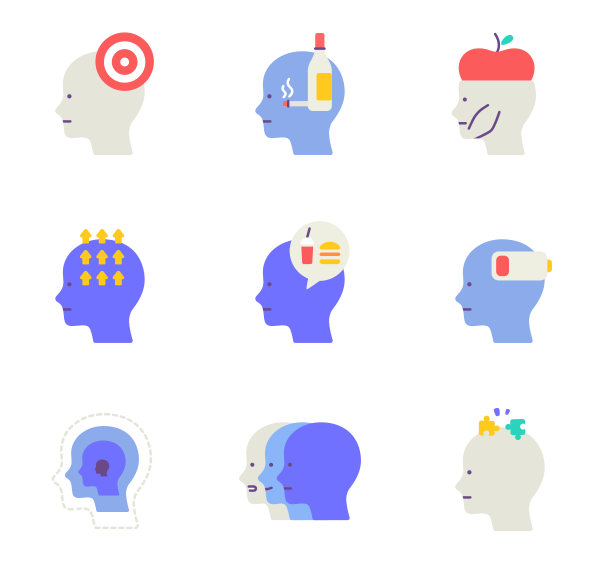
- Quiet your mind: Try meditating, Mindfulness and/or prayer. Relaxation exercises and prayer can improve your state of mind and outlook on life. In fact, research shows that meditation may help you feel calm and enhance the effects of therapy. To get connected, see spiritual resources on Personal Well-being for Students
- Set realistic goals: Decide what you want to achieve academically, professionally and personally, and write down the steps you need to realize your goals. Aim high, but be realistic and don't over-schedule. You'll enjoy a tremendous sense of accomplishment and self-worth as you progress toward your goal. Wellness Coaching, free to U-M students, can help you develop goals and stay on track.
- Break up the monotony: Although our routines make us more efficient and enhance our feelings of security and safety, a little change of pace can perk up a tedious schedule. Alter your jogging route, plan a road-trip, take a walk in a different park, hang some new pictures or try a new restaurant.
- Avoid alcohol and other drugs: Keep alcohol use to a minimum and avoid other drugs. Sometimes people use alcohol and other drugs to "self-medicate" but in reality, alcohol and other drugs only aggravate problems.
- Get help when you need it: Seeking help is a sign of strength — not a weakness. And it is important to remember that treatment is effective. People who get appropriate care can recover from mental illness and addiction and lead full, rewarding lives.
How Socialization Affects Your Mental Health

Lack of social interactions also damages mental health. The emotional support provided by social connections helps to reduce the damaging effects of stress and can foster “a sense of meaning and purpose in life,” the Texas researchers wrote.
Emma Seppala of the Stanford Center for Compassion and Altruism Research and Education, and author of the 2016 book “The Happiness Track,” wrote, “People who feel more connected to others have lower levels of anxiety and depression. Moreover, studies show they also have higher self-esteem, greater empathy for others, are more trusting and cooperative and, as a consequence, others are more open to trusting and cooperating with them.
“In other words,” Dr. Seppala explained, “social connectedness generates a positive feedback loop of social, emotional and physical well-being.”

She suggested that a societal decline in social connectedness may help to explain recent increases in reports of loneliness, isolation and alienation, and may be why loneliness has become a leading reason people seek psychological counseling. By 2004, she wrote, sociological research revealed that more than 25 percent of Americans had no one to confide in. They lacked a close friend with whom they felt comfortable sharing a personal problem.
For those seeking a health-promoting lifestyle, it’s not enough to focus on eating your veggies and getting regular exercise. Dr. Seppala advises: “Don’t forget to connect.”

Continued:
Simply going out for a coffee or chatting to a friend can reduce the symptoms of depression experienced by people with mental health problems, according to a new study by UCD researchers funded by the Health Research Board.“This study shows that conventional treatments can be supplemented by social support from family, friends and the community in the battle against mental health problems in Ireland,” said the Minister for Disability, Equality, Mental Health and Older People, Ms Kathleen Lynch TD who officially launched the report findings at UCD.

“Increased social interaction helps sufferers to rebuild their self-esteem which in turn enables them to maintain and develop positive relationships and friendships.”
For the study, over 100 adults, who were already receiving conventional treatment for mental health problems, were given additional supports to increase their social activities over a nine month period. At the beginning of the study, 20% of participants had no contact with friends, 33% reported that they never had contact with neighbours, and 50% never attended social groups. 35% were living alone.

All participants were given a monthly stipend of €20, and encouraged to take part in a social activity for at least two hours every week. Some of the participants were also matched up with a volunteer to create a ‘social friendship’ outside of the constraints of existing relationships. They were also asked to keep a diary of their social activities during the study.
The social activities reported by the participants during the course of the study included: going to a movie, going to a concert or play, going to a gallery or museum, going for a coffee, going out to eat, and enjoying a conversation.
“By the end of the study, all of the participants reported feeling better about themselves, having more confidence to socialise in their community, and experiencing fewer symptoms of depression,” said Dr Ann Sheridan, University College Dublin, the lead author of the study.
The study findings show that taking part in normal social activities outside of the constraints of the mental health system and the home environment, like meeting for a coffee or engaging in conversation, helps people with mental health difficulties to feel less isolated, less stigmatised, and less anxious
References
What are mental health problem?
10 Things You Can Do For Your Mental Health
Social Relationships and Health: A Flashpoint for Health Policy
Mental health and social relationships
Social Interaction Is Critical for Mental and Physical Health



Website design © 2019 Brenda Cruz
Information © other sources