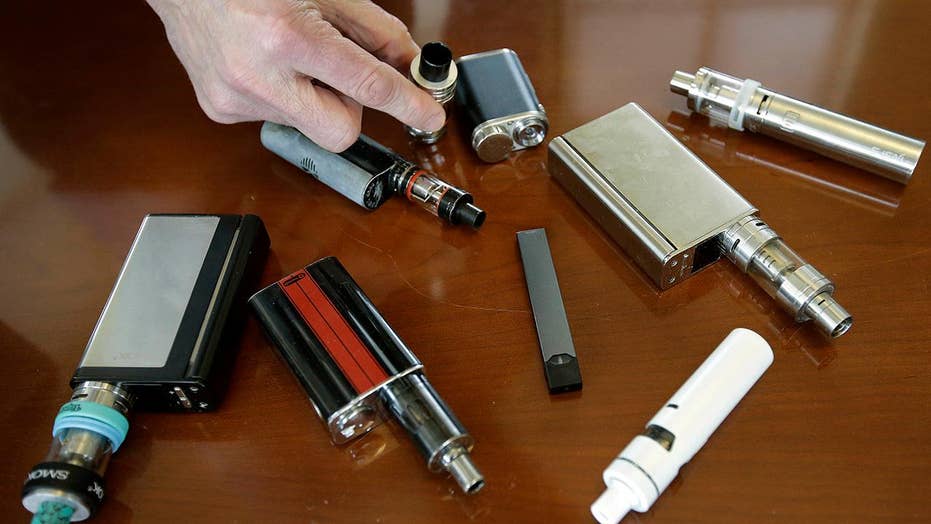
Teens and Vaping
Although e-cigarettes have been around for more than a decade, vaping rates have skyrocketed in recent years, especially among teens. E-cigarettes are now the most frequently used tobacco product among adolescents — some 2.1 million middle and high school students were e-cigarette users in 2017 — far surpassing traditional combustible cigarettes.
What?

Vaping is the act of inhaling and exhaling the vapor produced by the heated nicotine liquid (often called “juice”) of an electronic cigarette (e-cigarette or e-cig), vape pen, or personal vaporizer. It’s also commonly called JUULing (pronounced jewel-ing).
Costs and benefits as stated by the CDC:
- E-cigarettes have the potential to benefit adult smokers who are not pregnant if used as a complete substitute for regular cigarettes and other smoked tobacco products.
- E-cigarettes are not safe for youth, young adults, pregnant women, or adults who do not currently use tobacco products.
- While e-cigarettes have the potential to benefit some people and harm others, scientists still have a lot to learn about whether e-cigarettes are effective for quitting smoking.
- If you’ve never smoked or used other tobacco products or e-cigarettes, don’t start.
- Additional research can help understand long-term health effects.
Effects
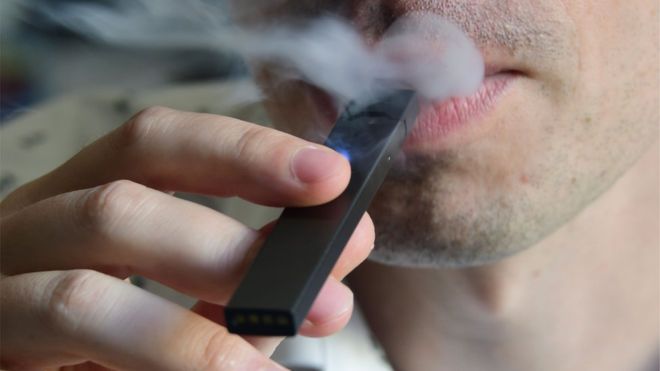
A growing body of evidence indicates that vaping products may be dangerous. Despite early optimism when these products first came on the market in the late 2000’s, health advocates now recommend caution in using them in light of growing evidence suggesting that their risks, especially to young people, outweigh their benefits.
Nicotine Vaping
Vaping puts nicotine into the body. Nicotine is highly addictive and can affect brain development.
Because vaping is new, we don't yet know how it affects the body over time. We do know that:
- E-cigarettes contain high levels of nicotine. According to the company’s website, the nicotine content of one JUULpod is equivalent to one pack of cigarettes.
- Because of these high nicotine levels, vaping is extremely addictive — and teens are already more susceptible to addiction than adults because their brains are still developing, which makes them more likely to habituate to using drugs and alcohol.
- Addiction can impact the ability to focus. Dr. Taskiran has observed this with the adolescents he works with, who report that vaping initially increases their alertness and attention, but then experience a decrease in attention span. One student, for example, was able to sit through practice ACT exams but after JUULing for six months “can’t sit still because she starts craving, can’t think of questions, and just starts fidgeting.”
- E-cigarettes and similar devices contain carcinogenic compounds, and a recent study found significantly increased levels of carcinogens in the urine of teens who vape.
- A recent study found that vaping does, in fact, cause lung irritation akin to that seen in smokers and people with lung disease and causes damage to vital immune system cells.
- Taskiran notes that vaping increases heart rate and blood pressure, so can increase circulatory problems. One teen he works with started vaping and found that his swim times dropped because he can no longer sustain the heart rate required for swimming.
THC/Marijuana Vaping
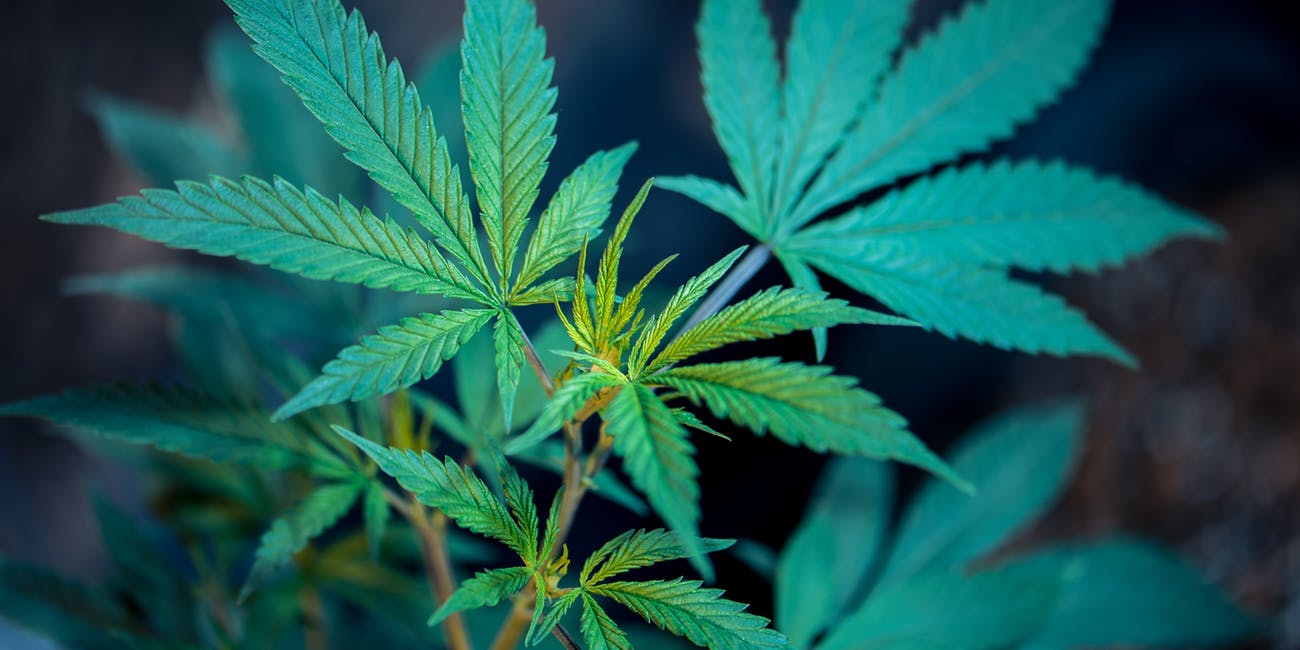
Since Vaping is relatively new, there is no specific data that outlines the effects of vaping THC/Marijuana. However we can expect people who do this to exhibit the standard effects of Marijuana:
- altered senses (for example, seeing brighter colors)
- altered sense of time
- changes in mood
- impaired body movement
- difficulty with thinking and problem-solving
- impaired memory
- hallucinations (when taken in high doses)
- delusions (when taken in high doses)
- psychosis (when taken in high doses)
Even though “vapers” may exhibit these effects, vaping marijuana does not produce the telltale smell of marijuana and when vaping people tend to consume even higher amounts of THC(The drug inside marijuana).
How?
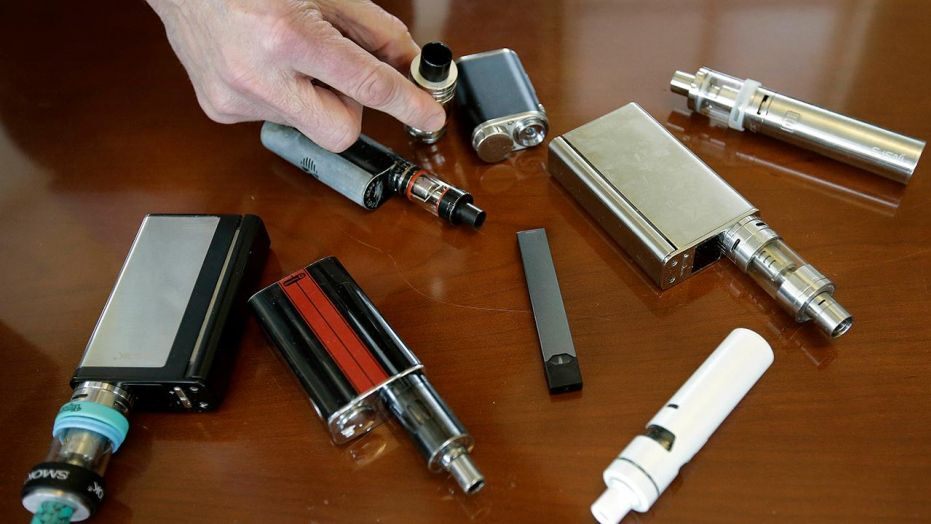
Vaping has grown in popularity with the rise of e-cigarettes, which were introduced to the mass market in the U.S. in 2007. Vaping devices include not just e-cigarettes, but also vape pens and advanced personal vaporizers (also known as ‘MODS’). E-cigarettes, which resemble smoked cigarettes, and vape pens, which resemble large fountain pens, are typically simpler in design and less expensive than devices that have been customized by the user.
Generally a vaping device consists of a mouthpiece, a battery, a cartridge for containing the e-liquid or e-juice, and a heating component for the device that is powered by a battery. When the device is used, the battery heats up the heating component, which turns the contents of the e-liquid into an aerosol that is inhaled into the lungs and then exhaled.
The e-liquid in vaporizer products usually contains a propylene glycol or vegetable glycerin-based liquid with nicotine, flavoring and other chemicals and metals, but not tobacco. Some people use these devices to vape THC, the chemical responsible for most of marijuana's mind-altering effects, or even synthetic drugs like flakka, instead of nicotine.
The newest and most popular vaping product is the JUUL, which is a small, sleek device that resembles a computer USB flash drive. Its subtle design makes it easy to hide, which helps explain why it has become so popular among middle and high school students. It now accounts for about 72 percent of the market share of vaping products in the United States. It comes in several enticing flavors like crème brûlée, mango and fruit medley. Every JUUL product contains a high dose of nicotine, with one pod or flavor cartridge containing about the same amount of nicotine as a whole pack of cigarettes.
Quitting
- Decide why you want to quit and write it down or put it in your phone. Look at the reason(s) when you feel the urge to vape.
- Pick a day to stop vaping. Put it on the calendar and tell supportive friends and family that you're quitting on that day.
- Get rid of all vaping supplies.
- Download tools (such as apps and texting programs) to your phone that can help with cravings and give encouragement while you try to stop vaping.
- Understand withdrawal. Nicotine addiction leads to very strong cravings for nicotine. It can also lead to:
- headaches
- feeling tired, cranky, angry, or depressed
- trouble concentrating
- trouble sleeping
- hunger
- restlessness

The signs of withdrawal are strongest in the first few days after stopping. They get better over the following days and weeks.
Get ready for feelings, people, and places that make you want to vape. These are called triggers. If possible, avoid places and people that trigger the urge to vape. If you feel the urge to vape, try these things instead:
- Chew sugar-free gum or drink water.
- Text, call, or hang out with a friend who will support you.
- Listen to your favorite playlist.
- Go for a walk or jog.
- Try yoga or meditation.
- Take 10 deep breaths.
- Keep your hands busy with a hobby, like drawing or making jewelry.
- Go somewhere where smoking/vaping isn't allowed.