Bullying and Cyberbullying
What is Bullying?
Bullying is unwanted, aggressive behavior among school aged children that involves a real or perceived power imbalance. The behavior is repeated, or has the potential to be repeated, over time. Both kids who are bullied and who bully others may have serious, lasting problems.
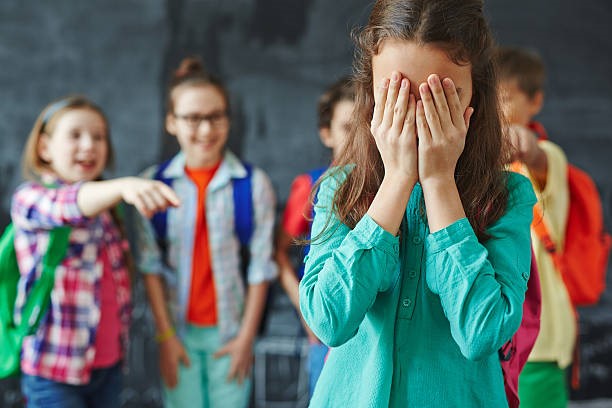
In order to be considered bullying, the behavior must be aggressive and include:
- An Imbalance of Power: Kids who bully use their power—such as physical strength, access to embarrassing information, or popularity—to control or harm others. Power imbalances can change over time and in different situations, even if they involve the same people.
- Repetition: Bullying behaviors happen more than once or have the potential to happen more than once.
Bullying includes actions such as making threats, spreading rumors, attacking someone physically or verbally, and excluding someone from a group on purpose.
Types of Bullying:
Verbal Bullying is saying or writing mean things. Verbal bullying includes:
- Teasing
- Name calling
- Inappropriate name calling
- Taunting
- Threatening to cause harm
Social bullying, sometimes referred to as relational bullying involves hurting someone’s reputation or relationships. Social bullying includes:
- Leaving someone out on purpose
- Telling other children not to be friends with someone
- Spreading rumors about someone
- Embarrassing someone in public
Physical bullying involves hurting a person’s body or possessions. Physical bullying includes:
- Hitting/kicking/pinching
- Spitting
- Tripping/pushing
- Taking or breaking someone’s things
- Making mean or rude hand gestures
What can be done to stop Bullying?
When adults respond quickly and consistently to bullying behavior they send the message that it is not acceptable. Research shows this can stop bullying behavior over time.
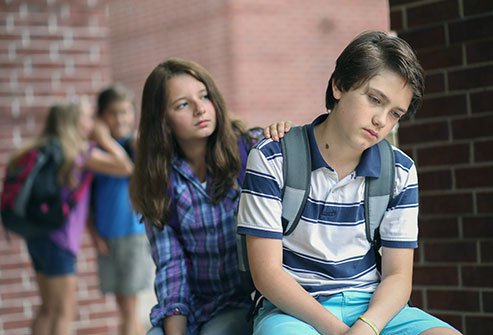
Parents, school staff, and other adults in the community can help kids prevent bullying by talking about it, building a safe school environment, and creating a community-wide bullying prevention strategy.
When someone is being bullied there are two important things to think about – looking after yourself or the person being bullied, and taking action to try to stop the bullying.
- Ask them to stop.
- Walk away or ignore them.
- Talk to someone.
- Keep a diary.
- Report the abuse.
- Focus on looking after yourself.
- If things don’t improve get support from a friend, family member or counsellor.
Everyone copes with being bullied differently. Often you’ll need to try a few solutions to find what works best for you, or your friend. If the things you try don’t work, it’s time to get help from someone else. You don’t have to face this alone.
Where does Bullying Occur?
Bullying can occur during or after school hours. While most reported bullying happens in the school building, a significant percentage also happens in places like on the playground or the bus. It can also happen travelling to or from school, in the youth’s neighborhood, or on the Internet.
What is Cyberbullying?

Cyberbullying is bullying that takes place over digital devices like cell phones, computers, and tablets. Cyberbullying can occur through SMS, Text, and apps, or online in social media, forums, or gaming where people can view, participate in, or share content. Cyberbullying includes sending, posting, or sharing negative, harmful, false, or mean content about someone else. It can include sharing personal or private information about someone else causing embarrassment or humiliation. Some cyberbullying crosses the line into unlawful or criminal behavior.
What can be done to stop Cyberbullying?

Most social media platforms and schools have clear policies and reporting processes. If a classmate is cyberbullying, report it the school. You can also contact app or social media platforms to report offensive content and have it removed. If a child has received physical threats, or if a potential crime or illegal behavior is occurring, report it to the police.
Peers, mentors, and trusted adults can sometimes intervene publicly to positively influence a situation where negative or hurtful content posts about a child. Public Intervention can include posting positive comments about the person targeted with bullying to try to shift the conversation in a positive direction. It can also help to reach out to the child who is bullying and the target of the bullying to express your concern. If possible, try to determine if more professional support is needed for those involved, such as speaking with a guidance counselor or mental health professional.
Where does Cyberbullying Occur?
The most common places where cyberbullying occurs are:
- Social Media, such as Facebook, Instagram, Snapchat, and Twitter
- SMS (Short Message Service) also known as Text Message sent through devices
- Instant Message (via devices, email provider services, apps, and social media messaging features)
The Impact of Bullying
The experience of being bullied is different for everyone. People may feel alone, anxious, scared, miserable and powerless, while others may feel overwhelmed by sadness, ashamed or rejected. They may feel there is no escape from the bully or that there is no hope that things will change. Anger is another common reaction, as the attack from the bully is unfair and unwarranted.

Bullying can affect every part of a person’s life, including relationships with their friends and family. It can affect a person’s confidence and performance at school, in a sports team or at work. The person being bullied might change how they look or act to try to avoid being bullied further. They might also withdraw from social activities or use unhelpful coping strategies, like drugs and alcohol or self-harming, to manage painful feelings.
Bullying can affect everyone—those who are bullied, those who bully, and those who witness bullying. Bullying is linked to many negative outcomes including impacts on mental health, substance use, and suicide. It is important to talk to kids to determine whether bullying—or something else—is a concern.
Sources
Images


