Racism
“Racism is the belief that a particular race is superior or inferior to another, that a person’s social and moral traits are predetermined by his or her inborn biological characteristics. Racial separatism is the belief, most of the time based on racism, that different races should remain segregated and apart from one another.”
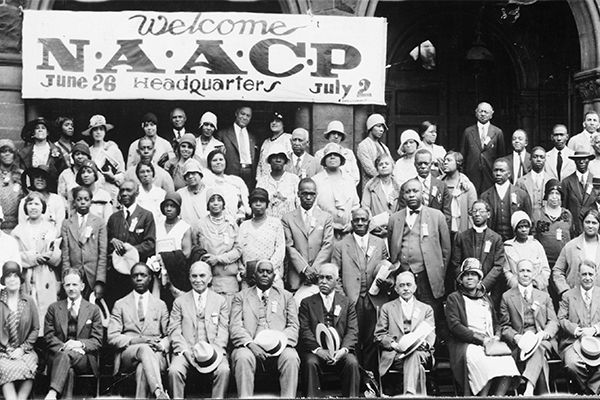
“The mission of the National Association for the Advancement of Colored People (NAACP) is to secure the political, educational, social, and economic equality of rights in order to eliminate race-based discrimination and ensure the health and well-being of all persons.” The following statement of objectives is found on the first page of the NAACP Constitution – the principal objectives of the Association shall be:
- To ensure the political, educational, social, and economic equality of all citizens
- To achieve equality of rights and eliminate race prejudice among the citizens of the United States
- To remove all barriers of racial discrimination through democratic processes
- To seek enactment and enforcement of federal, state, and local laws securing civil rights
- To inform the public of the adverse effects of racial discrimination and to seek its elimination
- To educate persons as to their constitutional rights and to take all lawful action to secure the exercise thereof, and to take any other lawful action in furtherance of these objectives, consistent with the NAACP’s Articles of Incorporation and this Constitution.
What is casual racism?
Casual racism is one form of racism. It refers to conduct involving negative stereotypes or prejudices about people on the basis of race, colour or ethnicity. Examples include jokes, off-handed comments, and exclusion of people from social situations on the basis of race.Some associate racism with a belief in racial superiority or deliberate acts of discrimination. Casual racism concerns not so much a belief in the superiority of races but negative prejudice or stereotypes concerning race.Doesn’t the lack of intent mean that casual racism isn't really racism?
One of the obstacles to having an open conversation about race is the tendency to downplay things as not “truly” or “really” racist. This can embolden or encourage prejudice. Racism is as much about impact as it is about intention. We shouldn’t forget about those who are on the receiving end of discrimination.
Why should we care about casual racism?
Like other forms of racism, casual racism can marginalise, denigrate or humiliate those who experience it. Harm can occur even if the conduct isn't motivated by hate or malice. Research demonstrates that racism can have adverse effects on people's physical and mental health. It can cause anxiety, depression, low self-esteem and high blood pressure. Racism can also exclude the target from wider society. It sends a message that they aren't welcome. It reinforces social barriers and attacks the dignity of the victim as an equal member of society. It can undermine civility and social cohesion. "In many cases people do not recognise their words and deeds are racist. It's simply seen as part of Australian culture to ‘take the piss’ out of people. I don’t see that casual racism, via ignorant commentary or jokes, is acceptable. People who perceive they have the right and luxury to engage in racist practices do not understand that they are adding to a lifetime of injury for those of us who have had to navigate racism."
Does this mean I can't joke about things?
Being aware of casual racism involves recognising that we are all accountable for the things we say or do. Making casually racist jokes or comments can have a negative impact upon a target individual or group. Casual racism can fuel prejudice and discrimination. Joking about matters of race – particularly of people of a different background – can also lead others to form unfavourable impressions of you.
Cases of Police Brutality
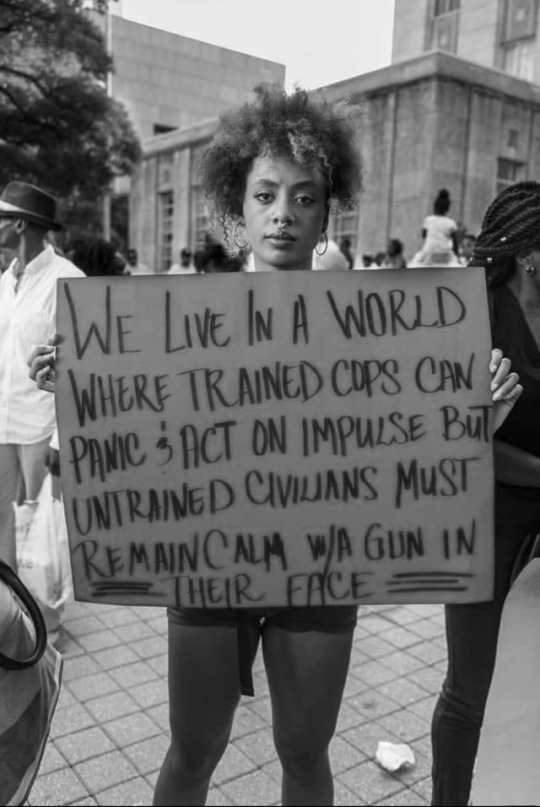
Police confirmed the suspect’s identity as Alek Minassian, 25, of Richmond Hill, north of Toronto. (He appeared to have no prior run-ins with Toronto police). Toronto police say 10 people are dead and 15 injured after a rental van mowed through pedestrians along a busy Yonge Street on Monday afternoon, stopping for nothing: not people, not a bus shelter, not fire hydrants, not a mailbox. When the van did stop, the driver emerged and, according to video by a passerby, begged police to shoot him dead. At least three times the man made a sharp, jerking motion with his arm — drawing his hand from his side, and pointing it menacingly at officers with a dark object in his hand. Instead of gunfire an officer called: “Get down.” tanding ramrod straight, dressed in dark clothing, the man continued to point whatever he was holding at the officer. “I have a gun in my pocket,” he added. “I don’t care, get down. Get down or you’ll be shot,” an officer called back. The man walked towards an officer, still pointing what he had in his hand — but the officer facing him stood his ground, walking sideways before moving closer; the man backed away briefly before tossing what he had been holding and put both arms over his head and kneeling.
On Wednesday, police shot and killed African American man, identified as Saheed Vassell, in Brooklyn after he pointed what officers believed was a gun at them, authorities said. "Three different 911 callers described a man with a gun, pointing it at people on the streets," he said. "The suspect then took a two-handed shooting stance and pointed an object at the approaching officers, two of whom were in uniform," he said. After the shooting, officers discovered that the object was "a pipe with some sort of knob on it," Chief of Department Terence A. "It appears we fired 10 rounds between the four officers," Monahan said. The unidentified officers, who were not wearing body cameras, discovered the metal pipe at the scene. Monahan said at a news conference. Saheed Vassell had no access to guns and suffered from bipolar disorder, his father told the station. "He's polite, nice, he's kind. He just comes and he goes," his father said. Mayor Bill de Blasio said his understanding was that Vassell had mental health issues.
Vassell's death comes amid a resurgence of questions
(about law enforcement's unequal treatment of people of color following another police shooting recently in Sacramento, California. Police there said they thought Stephon Clark had a gun, but only a cell phone was found near his body.) The white man accused of committing "a mass shooting in Florida was not shot once, but a young black man holding a cellphone is shot 20 times," Benjamin Crump said of the unarmed father gunned down this month by Sacramento, California, police who say they thought he had a gun. Crump went on.
"A young man who was bombing homes in Austin, Texas, police followed him for hours. He wasn't shot once," he said, referring to the bomber, who was white. "But an unarmed black man holding a cellphone was shot 20 times." ‘A young white man who terrorizes a city’
Interim Austin Police Chief Brian Manley, who is white, took heat this month for how he described a 25-minute video in which Mark Anthony Conditt, whose handcrafted bombs killed two people and wounded five in Texas, confessed to building the devices. Conditt blew himself up last week as police moved in.
"It is the outcry of a very challenged young man talking about challenges in his life that led him to this point," the interim chief said of the confession.
Sherrilyn Ifill, president and director-counsel of the NAACP Legal Defense and Educational Fund, on Twitter called out the chief for his description of "a young white man who terrorizes a city."
"I believe passionately in acknowledging the humanity of those who commit even terrible crimes," she said.
"Reading this police chief's empathy for this young white man highlights the awfulness -- the plain awfulness -- of the persistent refusal to extend this empathy to young black people." Other evidence of Police brutality Website Design ©2019 Janee Hernandez Information © other sources

