Pollution
Types of Pollution
- Air Pollution
- Land Pollution
- Water Pollution
- Noise Pollution
- Light Pollution
Air pollution
.jpeg)
The air we breathe has a very exact chemical composition; 99% of it is made up of nitrogen,oxygen,water vapor and inert gases,such as sulfur dioxide, carbon monoxide, nitrogen oxides and chemical Air pollution occurs when things that aren’t normally there are added to the air. Despite decades of progress, the air quality in the United States has started to decline over the past few years, according to data provided in summer 2019 by the Environmental Protection Agency. The agency recorded 15 percent more days with unhealthy air in the country in 2018 and 2017 compared to the average from 2013 to 2016. The reasons for the recent decline in air quality remain unclear, says the agency, but may be related to high numbers of wildfires, a warming climate, and increasing human consumption patterns driven by population growth and a strong economy. The long-term outlook also remains unclear, even as politicians debate air pollution standards.
Water pollution
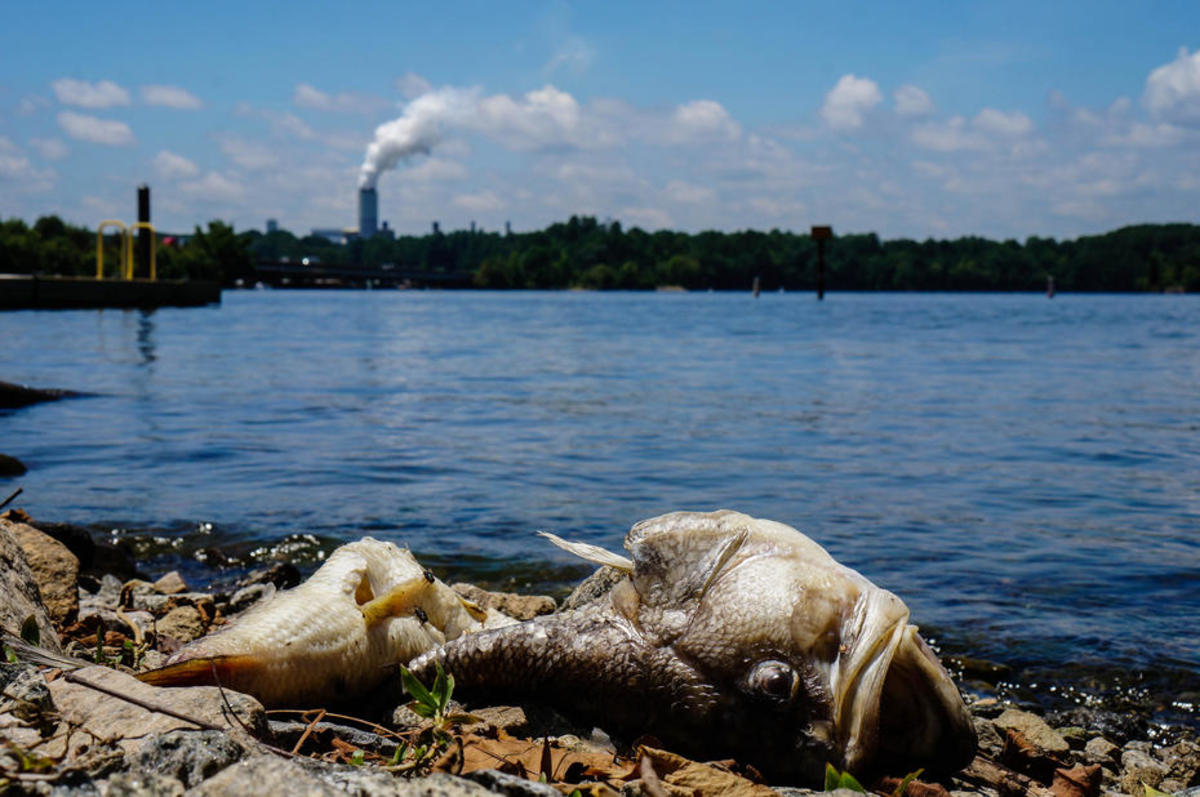
From big pieces of garbage to invisible chemicals, a wide range of pollutants end up in our planet's lakes, rivers, streams, and groundwater—and eventually the oceans. Water pollution—along with drought, inefficiency, and an exploding population—has contributed to a freshwater crisis, threatening the sources upon which we rely for drinking water and other critical needs. Safeguarding water supplies is important because even though nearly 70 percent of the world is covered by water, only 2.5 percent of it is fresh. And just 1 percent of freshwater is easily accessible, with much of it trapped in remote glaciers and snowfields. Also warming water can be harmful, to the artificial warming of water is called thermal pollution It can happen when a factory or power plant that is using water to cool its operation ends up discharging hot water. Meaning that it holds less oxygen,which can kill fish and wildlife. The sudden change of temperature in the body of water can also kill fish. Nutrient pollution, also called eutrophication, is another type of water pollution.Its is when nutrients, such as nitrogen, are added into bodies of water.
Land pollution
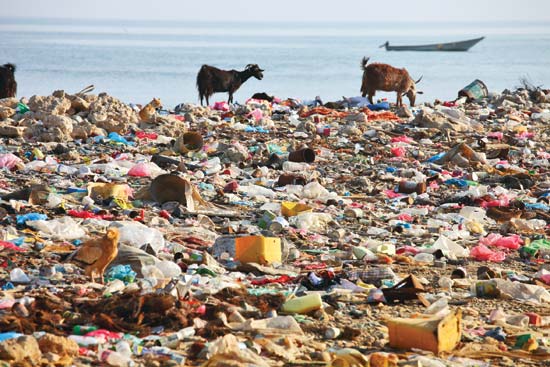
Land pollution is a serious problem that impacts humans, animals, and the earth. Without taking measures now to reduce pollution levels, permanent changes to the land can occur. The adverse changes to the environment due to land pollution are subtle, but the problem is much bigger than it appears.Even though most people have a general understanding of pollution, they may not realize the significance of land pollution. Here is a look at land pollution, its causes, its impact, and solutions to the problem. Also in some of the world worst polluted places, babies are born with birth defects, children have lost 30 to 40 IQ points and life expectancy may be low as 45 years because of cancer and other diseases. Land can become polluted by household garbage and by industrial waste. American produced about 258 million tons of solid waste. Land Pollution has led to a series of issues that we have come to realize in recent times, after decades of neglect. The increasing numbers of barren land plots and the decreasing numbers of forest cover are increasing at an alarming ratio.
Light pollution
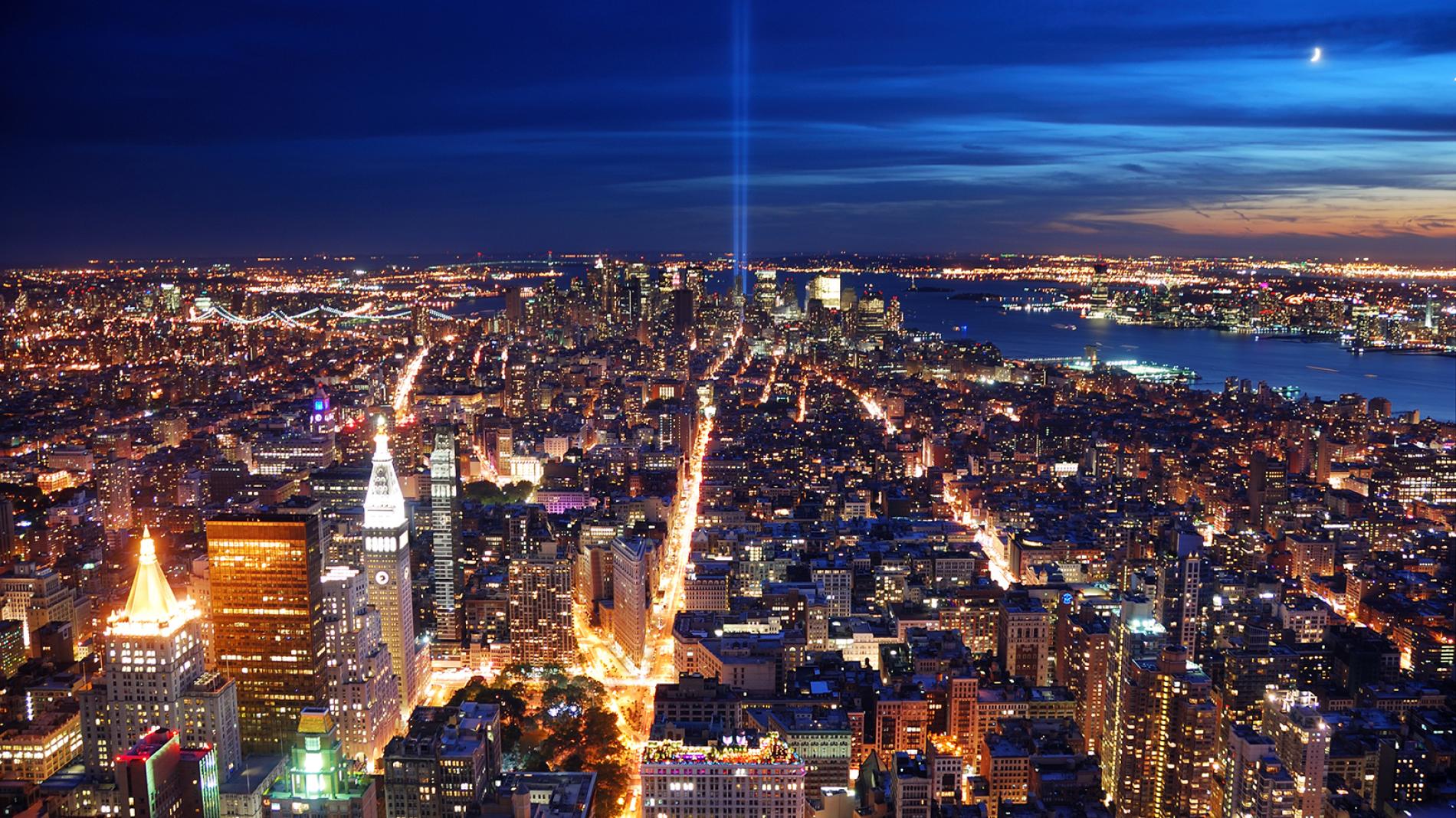
Some birds sing at unnatural hours in the presence of artificial light. Scientists have determined that long artificial days can affect migration schedules, as they allow for longer feeding times. Streetlights can confuse newly hatched sea turtles that rely on starlight reflecting off the waves to guide them from the beach to the ocean. They often head to the wrong direction. Light pollution, called skt glow, also makes it difficult for astronomers, both professional and amateur, to properly see the stars. Plants flowering and developmental patterns can entirely disrupted by artificial light.
Noise pollution
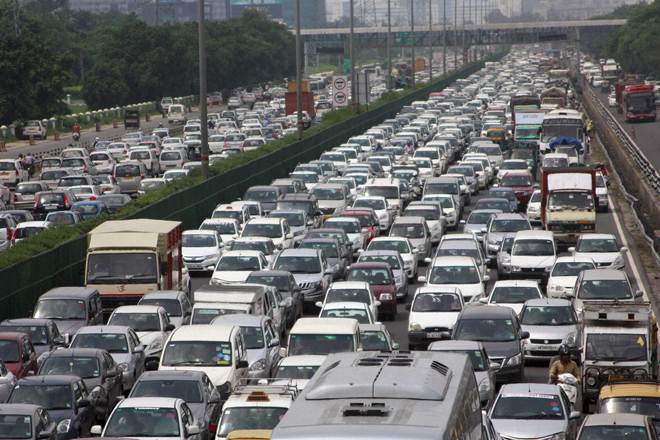
Noise pollution unwanted or excessive soundthat can have deleterious effects on human health and environmental quality. Noise pollution is commonly generated inside many industrial facilities and some other workplaces, but it also comes from highway, railway, and airplane traffic and from outdoor construction activities. Also, thousands of oil drills, sonars, seismic survey devices, coastal recreational watercraft and shipping vessels are now populating our waters, and that is a serious cause of noise pollution for marine life. Whales are among the most affected, as their hearing helps them orient themselves, feed and communicate. Noise pollution thus interferes with cetaceans’ (whales and dolphins) feeding habits, reproductive patterns and migration routes, and can even cause hemorrhage and death.
Ways to reduce pollution
- These are some ways to reduce pollution
- Recycle
- Dispose of Trash properly
- Pick up after your pets
- Report Illegal Dumping
- Don't Litter
- Wash your car on the lawn
- No smoking
- Conserve energy
- Conserve water
- Dispose of toxic waste
- Reduce the number of trips you take in your car
- Avoid using gas-powered lawn
- Never use fire to dispose of wastes
Sources
- National geographic air pollution
- National geographic water pollution
- Land Pollution
- Noise Pollution