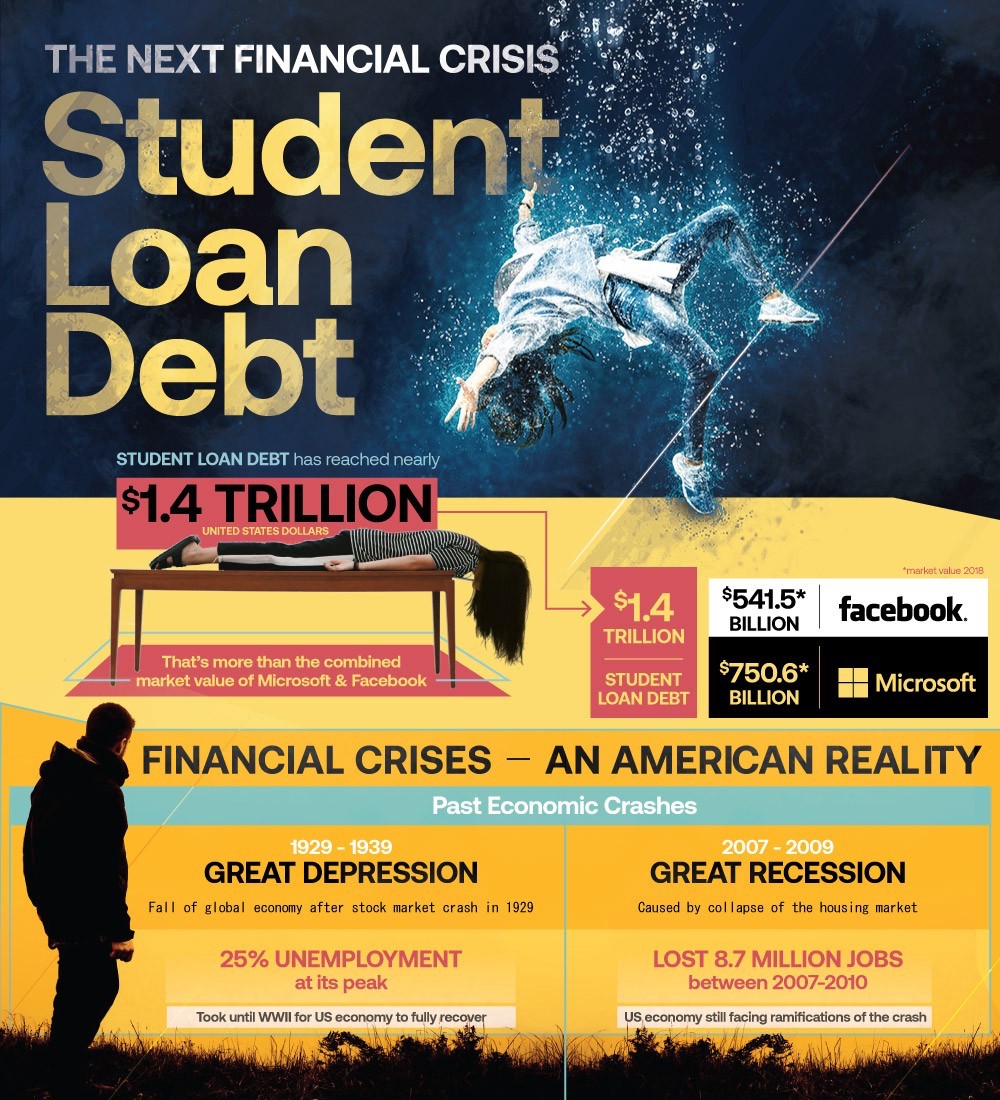
Student loan debt is a $1.4 trillion problem. There are many, many reasons why and how this got so high and what we can do to attempt to solve it. The statistics for student debt in America is staggering, and by reading this webpage I hope you learn more about student loans and how you could contribute in solving our economic problems.
One in five adult Americans carry student loan debt. Here's a look at the reported numbers.
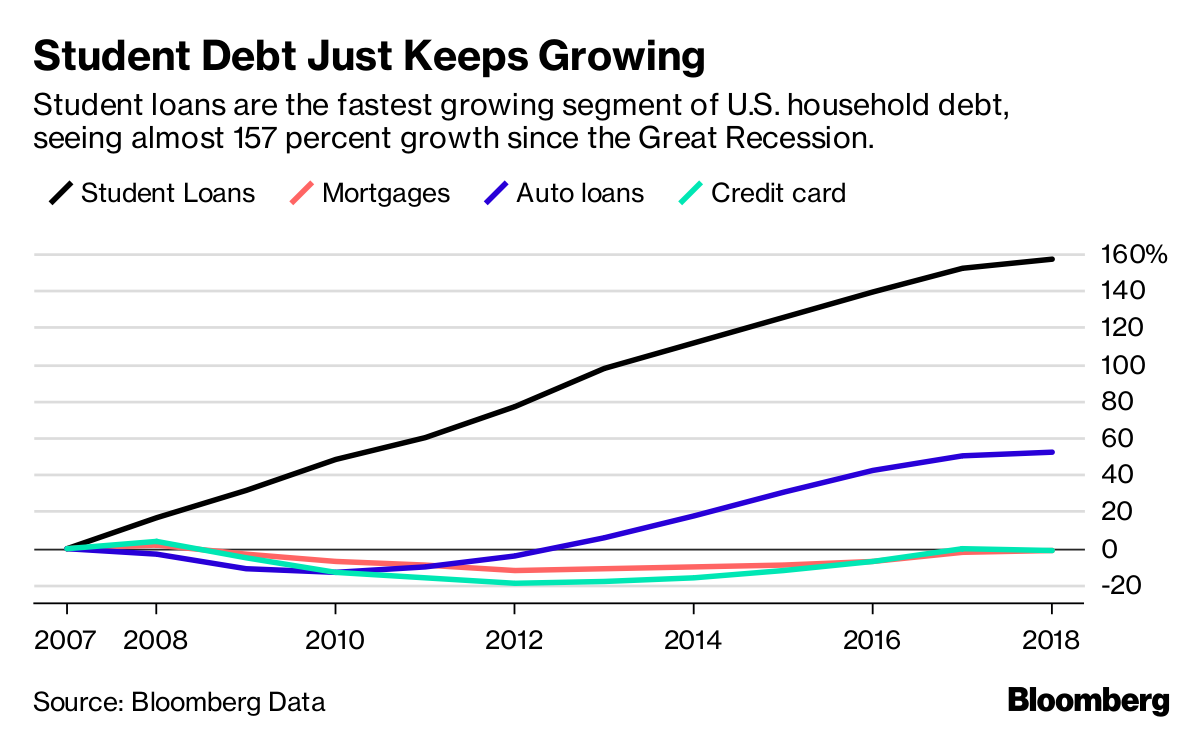
As many as 44.7 million Americans have student loan debt, according to a 2018 report by the Federal Reserve Bank of New York. The total amount of student loan debt is $1.47 trillion as of the end of 2018 — more than credit cards or auto loans.
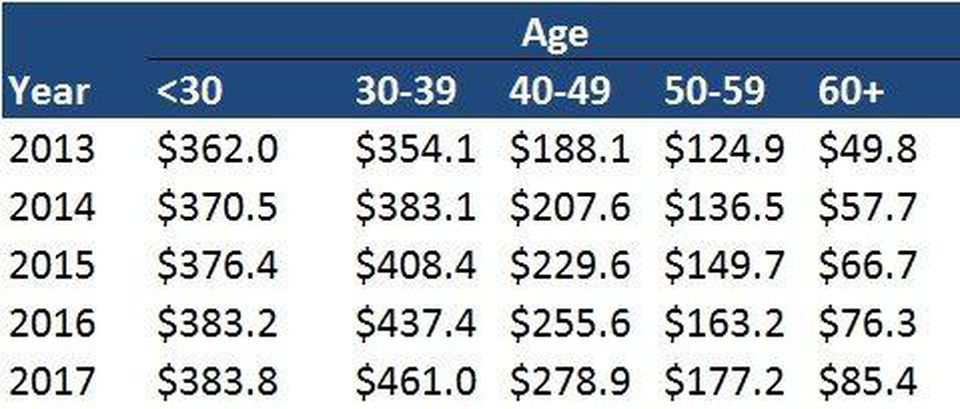
Most Americans with student debt are young. But adults 60 and older — who either struggled to pay off their own loans or took on debt for their children or grandchildren — are the fastest-growing age cohort among student loan borrowers.
Persis Yu, an attorney at the nonprofit National Consumer Law Center, said seniors are a sizable portion of the clients she sees. "The number of seniors with student loan debt has exploded," Yu said. "We're not just talking about kids and millennials. It impacts a large swath of our population."
More than three out of four borrowers owe less than $50,000. The average monthly student loan payment ranges from $200 to $300, according to a report from the Federal Reserve. Many borrowers struggle to repay their loans. The national default rate, U.S. Department of Education measurement of the number of borrowers who start repayment, then default in the next two to three years, was 10.8 percent among those who started repayment in 2015, the most recent data available. “A lot of it has to do with the level of education,” Yu said. “You may have taken out some debt to go to college but for whatever reason, you didn't finish. So you have the burden but you don't have the value of that credential to allow you to earn as much as you need.”
"We don't really have a student loan debt crisis. We have a college completion crisis," Mark Kantrowitz, publisher of SavingForCollege.com, said. "The people who dropout of college are the ones who are defaulting on their loans."
Future changes in average student loan debt at graduation
As more students reach federal student loan limits, increases in borrowing will continue to shift from students to parents, especially at higher-cost colleges.
Stagnant federal student loan limits will continue to dampen increases in average student loan debt at graduation, even as the economic recovery slows. Annual and cumulative federal student loan limits were last increased alittle over a decade ago, in 2008.
Congress is poised to increase undergraduate federal student loan limits by $2,000 per year as part of reauthorization of the Higher Education Act of 1965. This will shift some borrowing from parents to students, until the next time students exhaust loan limits.
Congress should consider indexing aggregate student loan limits to the average annual starting salary for recent college graduates at each degree level. Annual loan limits can be based on the student’s progress to a degree or certificate and the student’s remaining loan eligibility. This change will base loan limits on the borrower’s ability to repay the debt and the likelihood of degree attainment.
Regardless of how Congress changes the loan limits, the failure of government grants to keep pace with increases in college costs will cause students to shift their enrollment from higher-cost colleges to lower-cost colleges, such as from private colleges to public colleges and from 4-year colleges to 2-year colleges. This will reduce the average student debt at graduation.
Student Debt Hits Middle Class Students Hard
Overall, we know that students from low-income backgrounds still face the greatest struggle when it comes to earning college degrees. Unstable home lives, lower-quality high schools and other frequent corollaries of low-income neighborhoods present plenty of obstacles even before loan debt becomes an issue.
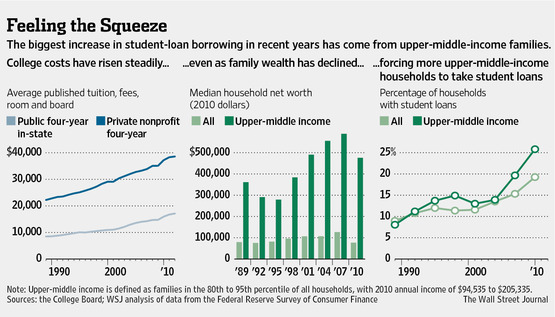
For students from middle-class backgrounds, the road to a degree seems easier. Their families often have money saved; their schools and support systems tend to prepare them well for the next step. Nevertheless, we’ve learned in the past year that middle-class students actually shoulder more student loan debt than anyone after graduating. According to Dartmouth sociology professor Jason Houle’s study,
“‘Children from middle-income families make too much money to qualify for student aid packages, but they do not have the financial means to cover the costs of college’ … The study found that students from families earning between $40,000 to $59,000 per year racked up 60 percent more debt than lower-income students and 280 percent more than their peers whose families earned between $100,000 and $149,000 per year. A similar trend held for more affluent middle-income families earning up to $99,000 annually.”
Loan Debt Is an Economic Drag
When graduates looking for their first post-college job are already $30,000 in debt, the negative effect on the economy is considerable.
Despite their qualifications, grads often have to settle for lower-paying, lower-skill jobs just so they can start paying their loan bills right away. As a result, graduates in debt often miss out on the benefits that come with a degree. ProgressNow found that students with outstanding loan payments were 36 percent less likely to purchase a house, and other research indicates that “Those with student loan debt also are less likely to have taken out car loans. They have worse credit scores. They appear to be more likely to be living with their parents.”
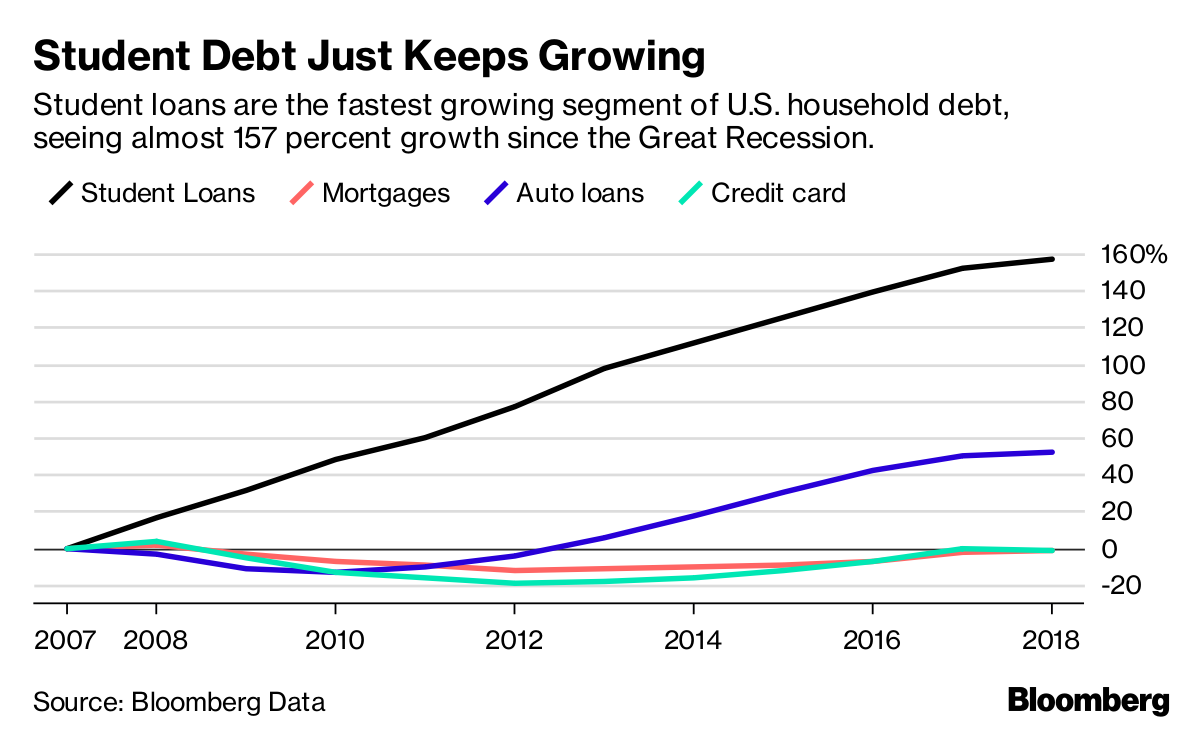
Defaults and delinquencies are also more common with student loan debt than just about any other kind. While credit card default rates have dropped under 10 percent thanks to stricter borrowing guidelines, the rate of student loans in “serious delinquency” has gone up to 11.5 percent. What’s worse, according to Rohit Chopra of the Consumer Financial Protection Bureau, is that many of these borrowers aren’t even graduating. “This [statistic] suggests that borrowers who default are overwhelmingly non-completers … These borrowers take on some debt but do not benefit from the wage increase associated with a degree.”
Last but not least, the prospect of such overwhelming debt is making an increasing number of students, especially low-income students, think twice about attending college at all — a decision that will compound the already-impending shortage of educated employees facing the U.S. workforce.
What Can We Do?
In the wake of the Great Recession, both the public and private sectors recognize the scope of the student loan debt crisis. A wide variety of policy solutions are under discussion; federal law has required colleges to provide deeper and more transparent information about the cost of attendance, the likelihood of loan debt and the career prospects of graduates, and that is an important step.
It’s more crucial than ever to ensure that families are aware of all of their funding options. It’s also vitally important to fund grants, scholarships and other forms of aid that don’t require repayment. Last year, for the first time, scholarships and grants paid for more than 30 percent of the average college student’s tuition bill — and the more we can all give back in scholarships, the fewer students will face a crisis of debt.
Long story short, there are so, so many ways we can help reduce student loans, but the main reason that this has persisted lies within inaction toward this problem. Sure it may not be as widespread of a panic as most of our problems now but it is a problem that we could solve easily. So, where do we start? What’s our end goal? Well, to put it simply, we start by advocating for a restructuring of the loan. Then, we work toward eliminating the need for loans until we reach our end goal of killing all purpose of the American student loan. This would be the true solution to the economic purgatory our country was in 2008. This would help the younger generation to give back into the economy. This is why student loans should matter more to the American people.
Canada and The United Kingdom
Oh so you think this doesn’t effect you huh? You think haha American’s suffer from student loan debt bad country I’m fine cause I live in x country? Think again. More countries than just the U.S. have trouble with student loans. Just ask Canada.
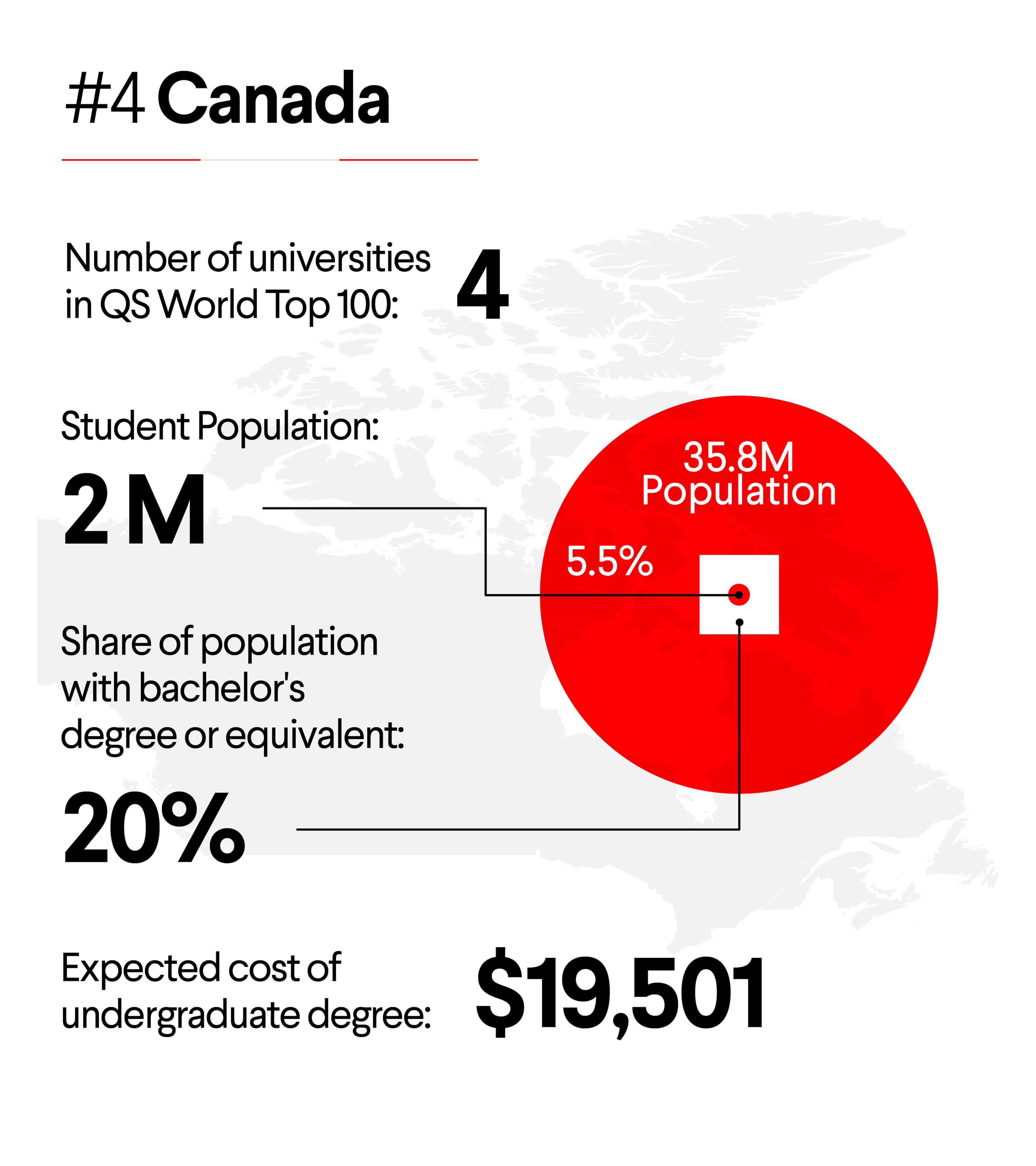
At first glance, Canada’s student loan system looks similar to the American system. There’s a nationwide government system, the Canada Student Loan Program (CSLP), which allows students to borrow up to 60% of their tuition, and private lenders can help with the rest. Students definitely take advantage, with the average borrower leaving school with debt of CAD $26,819 (US $20,114).
A recently passed national provision suspends student loan payments until graduates earn at least CAD $25,000 (about US $18,750) annually. Private loans are available, but are most commonly pursued as add-ons to government support. Students can choose between fixed or floating interest rates.
Plus, there’s a great deal of extra financial help for medical professionals willing to travel. Canada will forgive $8,000 per year in loans to doctors, and $4,000 per year for nurses and nurse practitioners who work at least 400 hours in a Canadian remote or rural community. With Canada’s far-flung population, there are a lot of those communities. The benefit can be claimed for a maximum of five years. It’s not quite free med school, but it’s not bad.
Paying for school is not just a U.S. idea, which means it’s not just a U.S. problem. It’s an international problem due to the fact that it suppresses money from going into the world economy. This inadvertently creates the problem of a lack of trade which depending on the country could have harsh consequences for medicine as Americans basically pay for the medicine of the entire rest of the world.

The United Kingdom has begun to worry about student loans as well due to the fact that many believe that with interest student loans will cost up to £54,000 in England. The major panic fuelling has come from Andrew Adonis who claims that the English government has set students up to fail with backlogged fees of £9,250 as the tuition increases. However, this has mostly been done in order to stop annoying taxpayers with footing the expensive bill.
Additional Reading
A Report On Student Debt By TICAS
U.S. Chamber of Commerce Website
Bibliography
NBC News Article on Student Loans
Saving For College~Loan Article
SoFi Student Debt Image and Canada Information
Student Debt Picture from Beginning Of Web Page